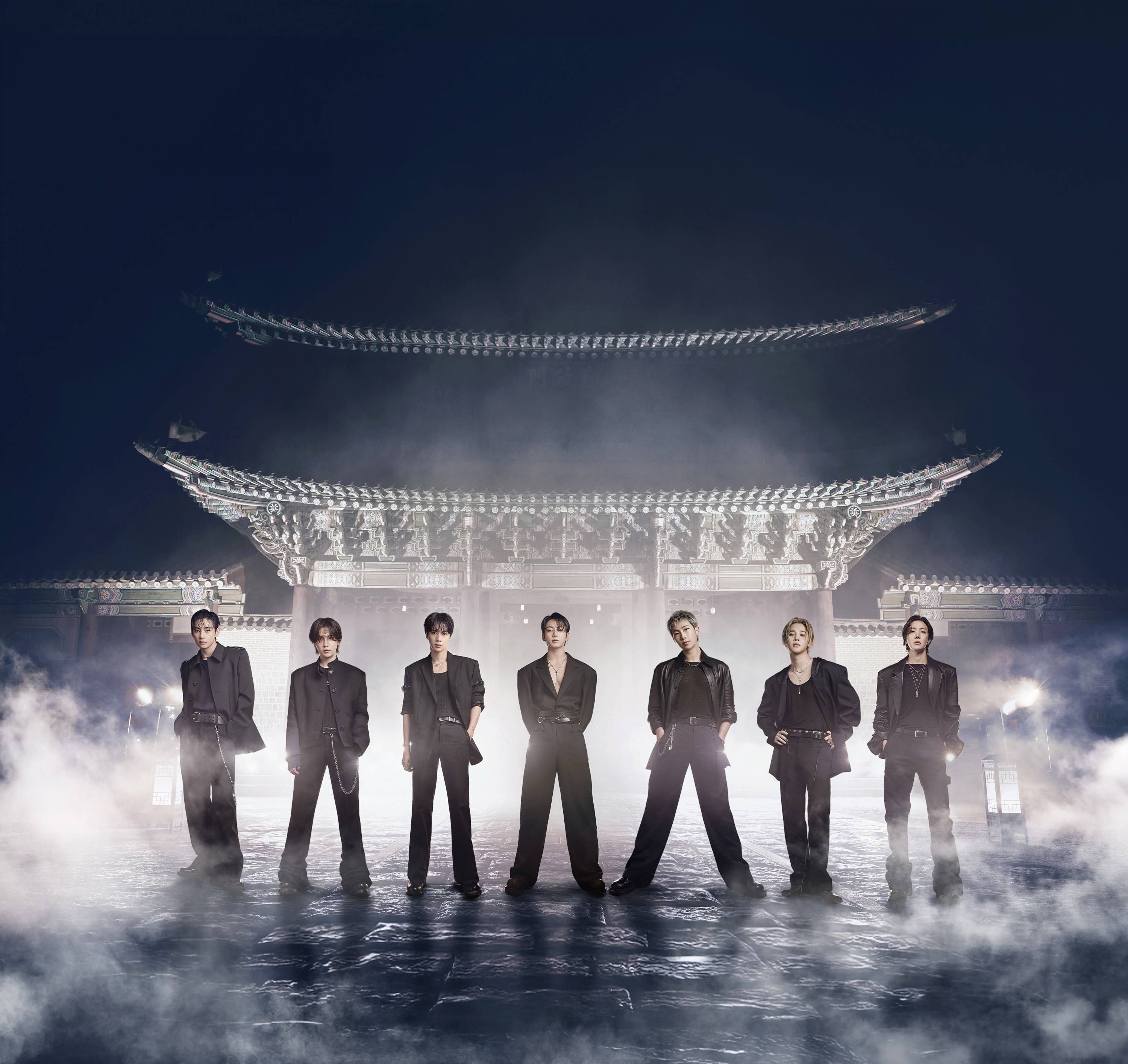
The Grammy Dilemma: When Global Impact Meets Old-School Gatekeeping
For years, BTS has shattered every ceiling in the music industry, transforming from a K-pop boy band into a global cultural phenomenon. Yet, their repeated lack of recognition at the Grammy Awards continues to spark intense debate. The recent discourse surrounding the Recording Academy has reignited a critical conversation about systemic bias and whether the industry’s much-touted commitment to 'diversity' is genuine or merely performative. While BTS has achieved historic milestones—from sold-out stadium tours to multiple Billboard Hot 100 number ones—the Grammy stage has remained elusive, leaving fans and industry experts to wonder: is the glass ceiling finally breaking, or is it just being repainted?
The Myth of Inclusion: Is Diversity Just a Buzzword?
The core of the recent controversy lies in the discrepancy between the Grammys' public branding of inclusivity and the actual treatment of global artists. Many critics argue that the Academy uses global artists for viewership and social media engagement, inviting them to perform or present to boost ratings, while failing to honor their creative contributions with major awards. This 'tokenism'—where diverse artists are showcased to appear progressive without being granted equal footing in competition—has become a sticking point for the ARMY worldwide. If an artist creates undeniable global impact and artistic excellence, why does the voting body continue to overlook them in favor of traditional, Western-centric narratives?
BTS as the Catalyst for Necessary Industry Change
It is important to acknowledge that BTS has never just been about the numbers. Their discography, lyrics, and conceptual storytelling have challenged societal norms and bridged cultural gaps in a way few artists ever have. By pushing back against the Grammy status quo, the group and their dedicated fanbase have forced the music industry to look in the mirror. This isn't just about a trophy; it's about the representation of non-Western artists in an industry that has historically been dominated by a singular perspective. The conversation sparked by BTS is a wake-up call for institutions like the Recording Academy to evolve, or risk losing their relevance in an increasingly globalized musical landscape.
The Power of the Global Fanbase: How ARMY is Leading the Charge
The strength of K-pop today is inseparable from its passionate digital communities. Unlike traditional music fandoms, ARMY is organized, vocal, and incredibly well-versed in industry mechanics. They have turned the Grammy snub into a platform for advocacy, highlighting the structural inequality that exists within major music organizations. By demanding transparency and calling out industry biases, these fans are doing more than just defending their idols; they are advocating for a more equitable playing field where quality is judged by music and impact, rather than geographical origin or cultural background.
Looking Toward the Future: Will the Academy Finally Evolve?
As we look to the future, the pressure on the Recording Academy to modernize its voting process and broaden its criteria will only intensify. True diversity in music isn't about checking boxes; it’s about recognizing greatness wherever it originates. For K-pop artists, the goal isn't just to win an award, but to dismantle the outdated hierarchies that keep the industry from being truly universal. Whether or not the Grammys change their tune in the coming years remains to be seen, but one thing is certain: BTS has already cemented their legacy, with or without a golden gramophone. The industry is changing, and it is the artists who refuse to conform that are driving the revolution.
Source Article: Read the original Korean news here
#BTS #Grammys #KPOP #DiversityInMusic #ARMY #MusicIndustry #RecordingAcademy #GlobalArtist #KpopNews #MusicAwards