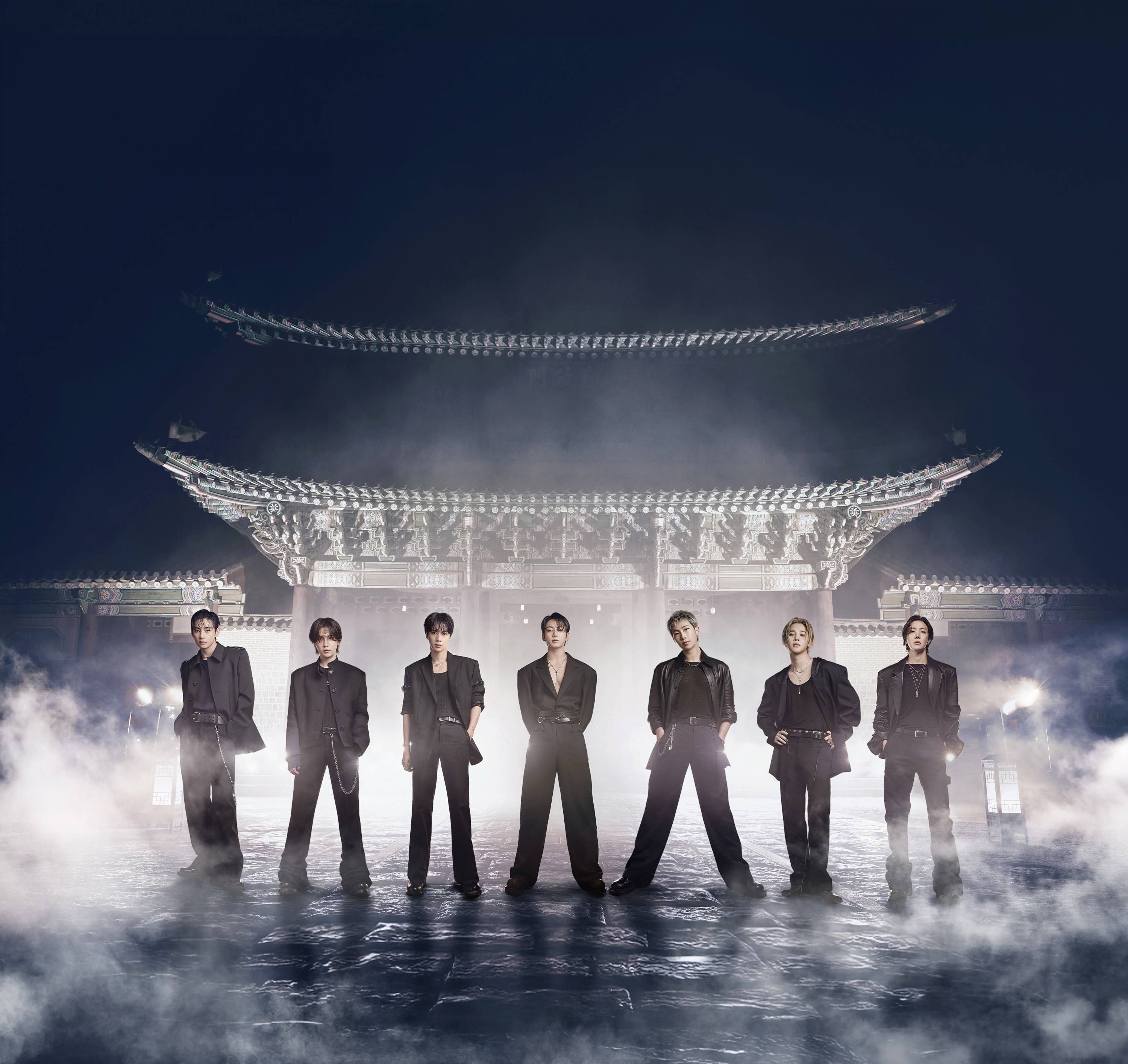
Beyond the Solo Hype: The Strategic Pivot
When we talk about 'stars and their highlight moments,' the industry conversation often gets stuck in the shallow waters of streaming numbers and viral dance challenges. However, looking at the recent trajectory of BTS within the current K-Pop landscape, it is clear that their individual and collective moves are being orchestrated with a precision that goes far beyond simple fan service. HYBE has successfully transitioned from a company reliant on a single golden goose to a multi-label powerhouse that treats each BTS member’s solo career as a sophisticated brand identity exercise. By allowing each member to define their own musical niche—be it Jimin’s contemporary pop elegance or RM’s introspective indie-rap—the agency isn't just maintaining interest during the mandatory military service gap; they are diversifying the group's total market cap by capturing disparate demographics that might not have been fully tapped under the traditional 'OT7' model.
The Data Behind the Brand Loyalty
If we examine the ROI of the solo era, we see a masterclass in risk mitigation. Traditionally, a group hiatus would signal a plummet in stock value and a stagnation in fandom growth. Instead, we’ve seen the inverse. The internal strategy of 'staggered releases' ensures that the HYBE ecosystem remains at the top of the conversation year-round. This is no longer just about chart performance; it is about ecosystem retention. By treating individual members as high-value intellectual property assets, the agency has created a self-sustaining cycle where the absence of the group is filled by the constant innovation of its parts.
- Brand Diversification: Each member is assigned a distinct aesthetic lane, reducing internal competition.
- Fiscal Stability: Solo projects are yielding record-breaking physical album sales, proving the individual members have the 'pulling power' of a full group.
- Global Penetration: Localization of content, such as documentary series and fashion brand ambassadorships, keeps the BTS influence embedded in Western luxury markets.
- Content Synergy: The use of Weverse as an all-in-one platform locks in consumer data, giving the agency unprecedented insights into fan behavior.
Fashion as the New Frontier of Market Share
Perhaps the most brilliant aspect of this trajectory is how the members have been positioned as luxury industry pillars. When you see a member grace the front row of Paris Fashion Week, you aren't just seeing a star; you are seeing a strategic business development maneuver. By aligning with high-end houses, these idols are cementing their status as 'legacy artists' rather than transient pop stars. This signals to shareholders that BTS is a long-term asset whose influence will transcend the 'idol' label, moving into the realm of global cultural icons. It is an industry-leading shift that challenges other agencies to rethink their training and monetization models, shifting from short-term touring revenue to long-term brand equity accumulation.
Future-Proofing the K-Pop Industrial Complex
Looking ahead, the question isn't whether BTS will remain relevant upon their full return, but how much the 'BTS-ification' of the industry has changed the rules of the game. Smaller agencies are now scrambling to replicate the 'solo-branding' blueprint, though often lacking the massive underlying capital that HYBE possesses. The success of this period proves that the K-Pop Industrial Complex is evolving toward a model of individual autonomy coupled with group strength. This is not just a trend—it is the new fiscal standard for managing mega-star groups in an increasingly digital and fragmented attention economy.
Source Article: Read the original Korean news here
#BTS #HYBE #KPopIndustry #MarketTrends #BigHit #BrandStrategy #KPopBusiness #IdolEconomics #MusicMarket #CulturalCapital