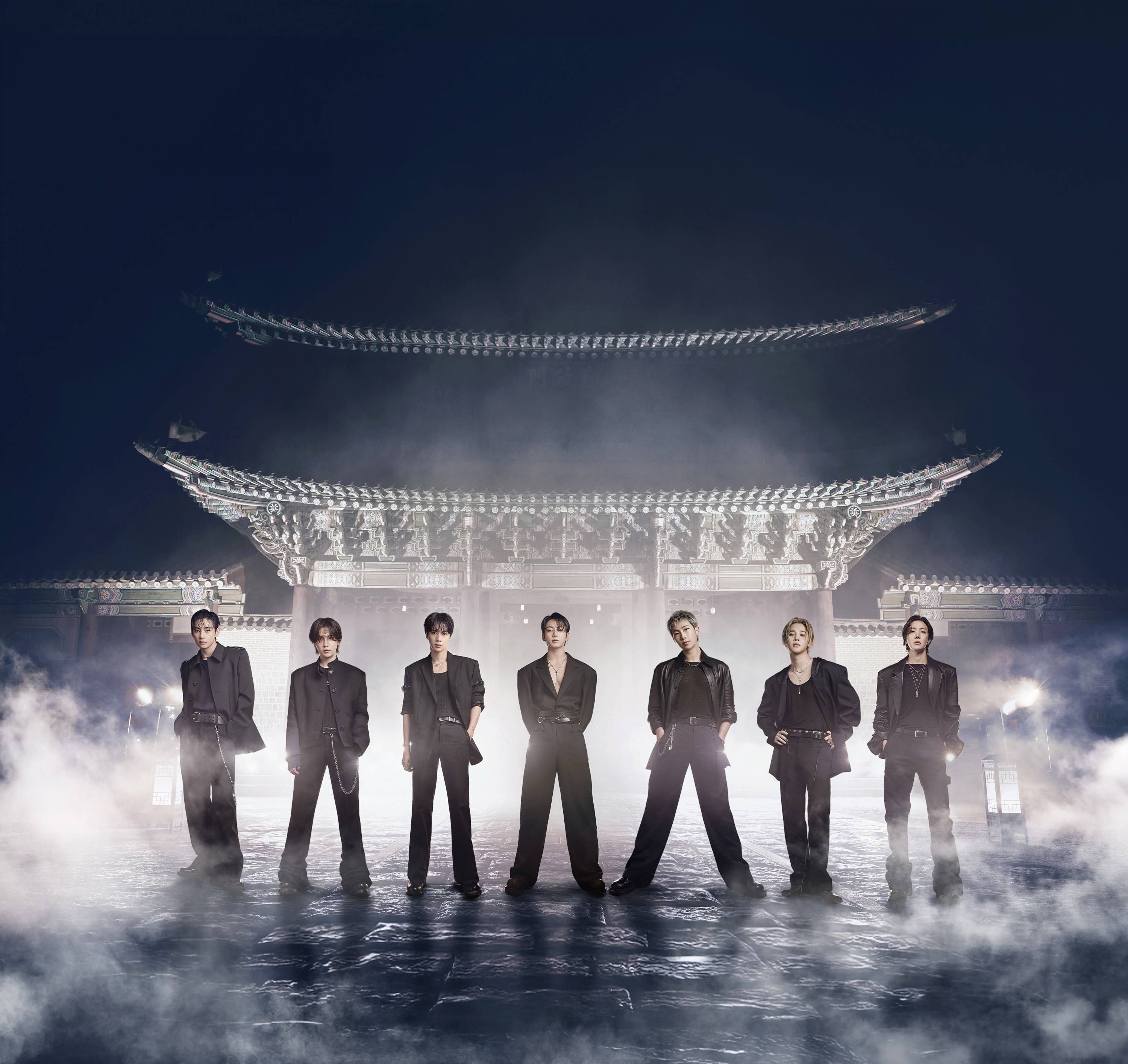
The Harsh Truth Behind the Glittering Stage
The K-POP industry is often viewed through a lens of glitz, glamour, and chart-topping hits, but a sobering new report has pulled back the curtain on a much darker reality. According to recent industry data, a staggering 50% of idol groups face disbandment within their first three years of debut. This statistic highlights the hyper-competitive nature of the Korean music market, where agencies launch dozens of new acts every year in hopes of striking gold. While fans see the flawless performances and viral challenges on TikTok, the reality for the majority of these young artists is a relentless battle for survival in an oversaturated landscape where audience attention spans are shorter than ever.
The 'Superstar' Myth: Why Only 0.7% Reach BTS-Level Status
Perhaps the most jaw-dropping revelation from the report is the scarcity of true global success: only 0.7% of idol groups ever reach the stratosphere of international fame commanded by icons like BTS. For decades, the 'BTS effect' has driven thousands of teenagers to audition for major labels, fueled by the dream of stadium tours and global fanbases. However, the report clarifies that achieving that level of status is statistically anomalous. This reality check serves as a reminder that the industry is built on a high-risk, high-reward model where the vast majority of investment is funneled into a tiny fraction of artists, leaving many talented groups to struggle in the shadows of the elite.
Industry Pressure and the Sustainability Crisis
Why do so many groups disappear so quickly? The answer lies in the intense economic pressure placed on smaller agencies. In the K-POP world, the cost of training, debut marketing, music production, and styling is astronomical. When a group fails to gain significant traction within their first few comeback cycles, agencies often find themselves unable to sustain the financial drain, leading to contract terminations and quiet disbandments. This 'survival of the fittest' mentality has sparked a fierce debate among fans and industry insiders about whether the current trainee system is sustainable or if it is merely grinding up talent for the sake of quarterly profits.
Fan Reactions and the Changing Landscape
On social media, global K-POP fans are reacting with a mixture of sadness and frustration. Many are calling for more support for 'nugu' (a Korean slang term for unknown or unpopular groups) artists, who are often incredibly talented but lack the massive promotional budgets of the 'Big 4' agencies. Fans are increasingly aware of the seven-year curse, but this new data suggests that the 'three-year wall' is an even more immediate threat. As fans become more critical of how companies treat their idols, there is a growing push for better working conditions and more transparent management, as followers refuse to accept that their favorite groups are merely 'disposable' products in a factory-like system.
What the Future Holds for K-POP
Despite the grim statistics, the K-POP industry shows no signs of slowing down, with new groups debuting almost weekly. However, the future likely holds a shift in strategy. We are beginning to see a trend where agencies prioritize quality over quantity, focusing on long-term brand building rather than just throwing content at the wall to see what sticks. As the market reaches a saturation point, the survival of new groups will depend more on building authentic connections with fans and fostering unique musical identities rather than simply fitting into the 'cookie-cutter' idol mold. Only time will tell if these changes can help more groups bridge the gap between their debut and long-term success.
Source Article: Read the original Korean news here
#KPOP #BTS #IdolLife #KPOPIndustry #Disbandment #KPOPTrends #MusicBusiness #TraineeLife #KPOPNews #IdolEconomy