The End of the ‘Perfect Idol’ Prototype
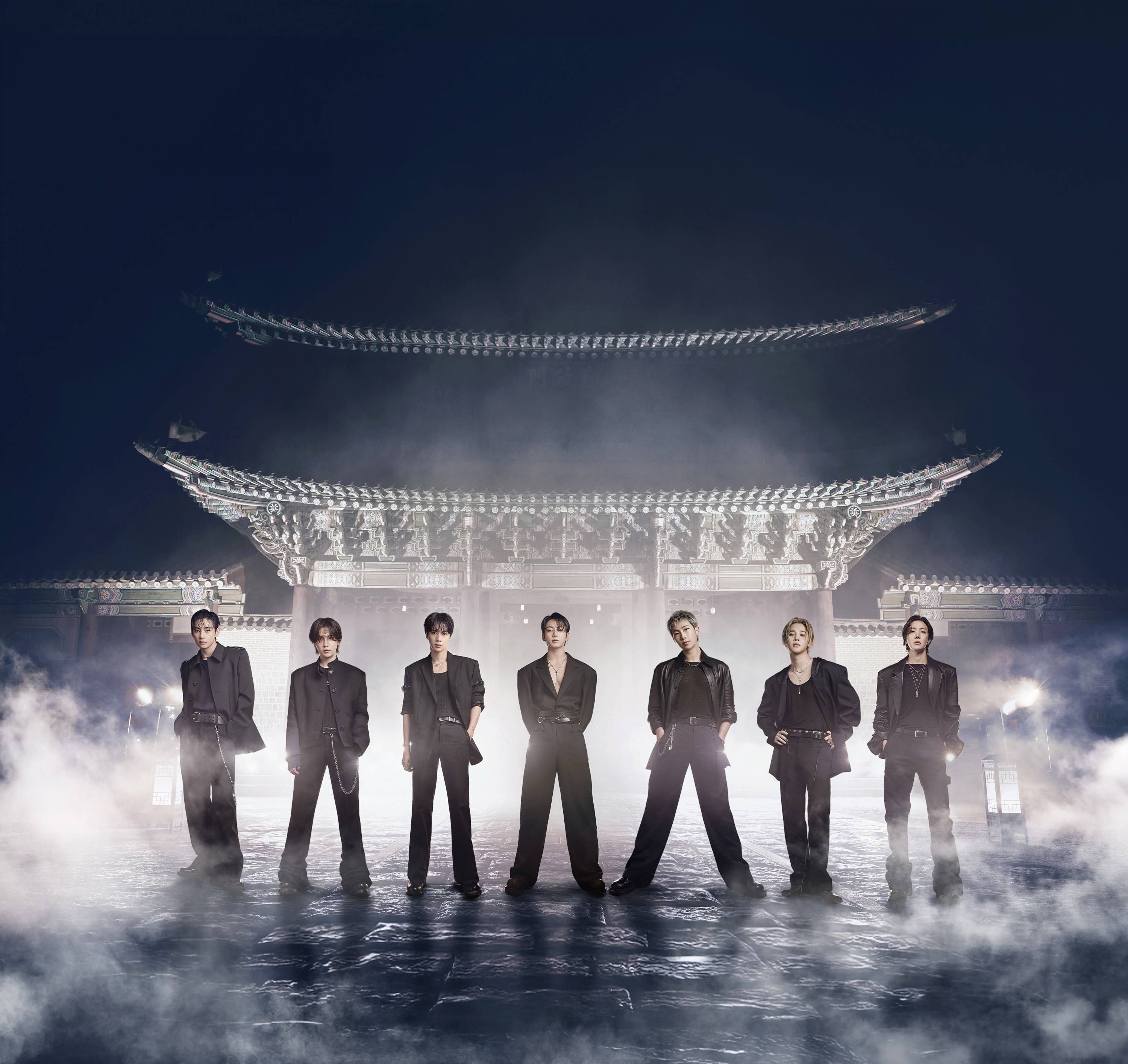
For over a decade, the K-pop industry operated under a rigid, almost scientific blueprint: the artist as a product. This meant flawless schedules, a carefully curated 'innocent' or 'intense' persona, and an unwavering adherence to the expectations of labels and media gatekeepers. However, the recent discourse surrounding the headline "What BTS Rejected Was an Old Standard" has ignited a firestorm of discussion across social media. Fans are not just reading this as a news piece; they are seeing it as validation of their own observations. BTS didn't just break chart records; they systematically dismantled the predetermined role of the idol, choosing autonomy over the safe, well-trodden path that had governed their predecessors for decades.
Decoding the Collective Relief in the Fandom
If you scroll through any major K-pop forum or fan-run Twitter space today, you’ll notice a palpable sense of vindication. The mood isn't just excitement—it’s relief. For years, fans have been caught in a tug-of-war, defending BTS against critics who viewed them as mere 'manufactured' pop stars. Now, the narrative has shifted completely. Fans are sharing threads detailing how the group’s refusal to chase short-term trends or conform to corporate marketing molds allowed them to forge a deeper, authentic connection with their audience. The consensus is clear: BTS weren't just refusing to follow instructions; they were rejecting a systemic architecture that placed profit margins over artistic integrity and mental health.
- 2013-2016: The foundational period where BTS began inserting personal narratives into their lyrics, challenging the 'standard' idol songwriting process.
- 2017-2019: The global expansion phase where they maintained creative agency despite immense pressure to pivot to English-only radio hits.
- 2020-2022: The pivot to individual artistic exploration during the 'hiatus' period, proving that brand power exists beyond the collective group entity.
- 2023-Present: The post-military positioning where their 'rejection' of old standards has become the new industry benchmark for success.
The Emotional Weight of Authenticity
Why does this matter so much? Because for the global fanbase, the 'old standards' felt like a glass ceiling. Many international fans have long felt that the industry’s demand for perfection created a toxic environment. When BTS stood their ground, they effectively told millions of fans that it is okay to be messy, vulnerable, and human. Discussions in Korean online communities highlight a recurring sentiment: the feeling that BTS gave their fans permission to demand more depth from their favorite artists. This isn't just about music; it’s about a generational shift in how we consume celebrity culture. The 'BTS model' of total creative ownership is now the North Star for the next generation of K-pop, and the fanbase is fiercely protective of this legacy.
From Industry Disruptors to Cultural Philosophers
The brilliance of BTS’s approach lies in how they turned their 'rebellion' into a brand identity that feels both accessible and aspirational. They transformed the 'Idol' label from a derogatory term into something that represents cultural philosophy. Whether it’s their direct involvement in their discography or their refusal to be pigeonholed by Western market expectations, each decision has been a quiet act of defiance. Fans are now analyzing these past choices with a new lens, realizing that what looked like 'lucky breaks' were actually calculated, courageous moves to protect their vision. This shift in perspective has deepened the loyalty of the fandom, as they no longer see themselves as consumers of a product, but as participants in a movement.
Looking Ahead: The Legacy of a New Standard
As we move into 2024 and beyond, the industry is struggling to catch up. Other agencies are trying to replicate the 'BTS magic' by giving their newer groups more creative freedom, but they are discovering that you cannot manufacture genuine soul. The fans know the difference, and they are quick to call out performative authenticity. For BTS, the future is no longer about proving they belong in the music industry—it’s about defining what the music industry *should* look like for the next decade. Their rejection of the old standards has created a blueprint that values longevity, mental well-being, and artistic evolution over the fleeting, high-octane churn of the past.
Source Article: Read the original Korean news here
#BTS #KPOP #Army #BTSLegacy #IdolCulture #MusicIndustry #CreativeFreedom #Authenticity #KpopAnalysis #BTSAlways