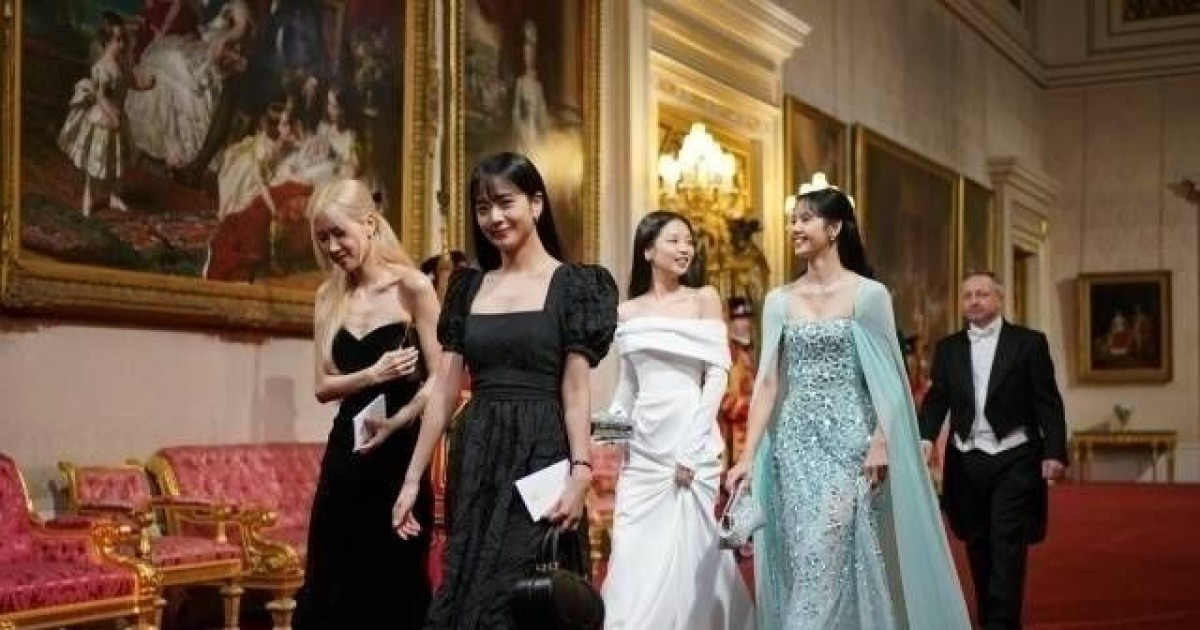
As Blackpink approaches their monumental 10-year milestone, the deafening silence regarding group activities highlights a dangerous gamble in the K-pop business model where individual brand power threatens to eclipse the collective identity that built them.
The Era of the Individual: When Solo Brand Power Outweighs the Group
For years, the K-pop industry operated on a rigid, assembly-line model where the group was the sun and the members were mere planets orbiting around it. However, with the current status of Blackpink, we are witnessing a structural pivot that has become both a blessing and a curse. While the members have successfully established themselves as global fashion icons and lucrative solo entities, this fragmentation has created a "loyalty vacuum" for the collective fan base, BLINK. When fans express frustration over the lack of group activities leading up to a decade-long anniversary, it isn't just about nostalgia; it’s a critique of a management strategy that prioritizes individual brand reputation rankings over the cohesive group narrative that originally solidified their place in music history.
The YG Formula and the Economics of Absence
YG Entertainment has long perfected the art of strategic scarcity—making fans wait years for a comeback to ensure maximum hype and market impact. However, there is a fine line between 'exclusive' and 'neglected.' By focusing heavily on individual solo projects, the agency is essentially running a decentralized business model. While this mitigates the risk of a single group failure, it fundamentally changes the artist’s trajectory. In the current landscape, Blackpink functions more like a luxury brand consortium than a traditional girl group. The industry is watching closely to see if this solo-centric strategy is sustainable long-term, or if it will lead to an inevitable erosion of the core, unified fandom that drives record-breaking streaming numbers.
Redefining the 10-Year Milestone
The 10-year mark in K-pop is usually a moment for celebration—a chance to look back at the discography and reaffirm the bond between artists and fans. Yet, the current discourse suggests a shift in expectations. Fans are no longer satisfied with just 'legacy' status; they demand active engagement. This tension signals a changing of the guard in how we value K-pop idols. We are seeing a transition from the 'idol group as a family' narrative to the 'idol group as a business partnership.' As the members venture into acting, high-end fashion, and independent entrepreneurial pursuits, the group dynamic becomes a secondary asset, which inevitably triggers anxiety among fans who worry about the permanence of their favorite quartet.
The Market Shift: Can Soloist Logistics Sustain a Group Legacy?
Analyzing this through a market logic lens, the focus on individual brand power is a defensive play against the inevitable decline of group popularity cycles. By diversifying the members' interests, the agency ensures that even if the 'Blackpink' collective output slows down, the revenue streams remain protected through individual brand endorsements and solo events. However, this strategy carries the risk of 'fan fatigue.' When group activities are nonexistent, the emotional investment of the fan base—the very engine that keeps chart performance high—begins to wane. The frustration currently bubbling up in the fandom is a direct response to this perceived lack of 'corporate care' for the group’s shared legacy.
Future Trajectories: Beyond the Studio Grind
Looking ahead, the question remains: what does the future hold for an act that has arguably already conquered every global metric? If Blackpink remains in this state of suspended animation, they risk losing their status as a relevant musical entity, eventually being relegated to historical icons who only appear for sporadic brand deals. The industry trajectory points toward a more modular approach to idol management, but the risk remains that without consistent group activity, the connection that turns a listener into a dedicated, merchandise-buying, stream-looping fan will diminish. It is a cautionary tale for the next generation of K-pop groups: individual fame is glamorous, but group synergy is what survives the test of time.
Source Article: Read the original Korean news here
#Blackpink #KpopIndustry #YGEntertainment #Blink #KpopNews #MusicBusiness #IdolBrandValue #Blackpink10thAnniversary #KpopTrends #MusicStrategy