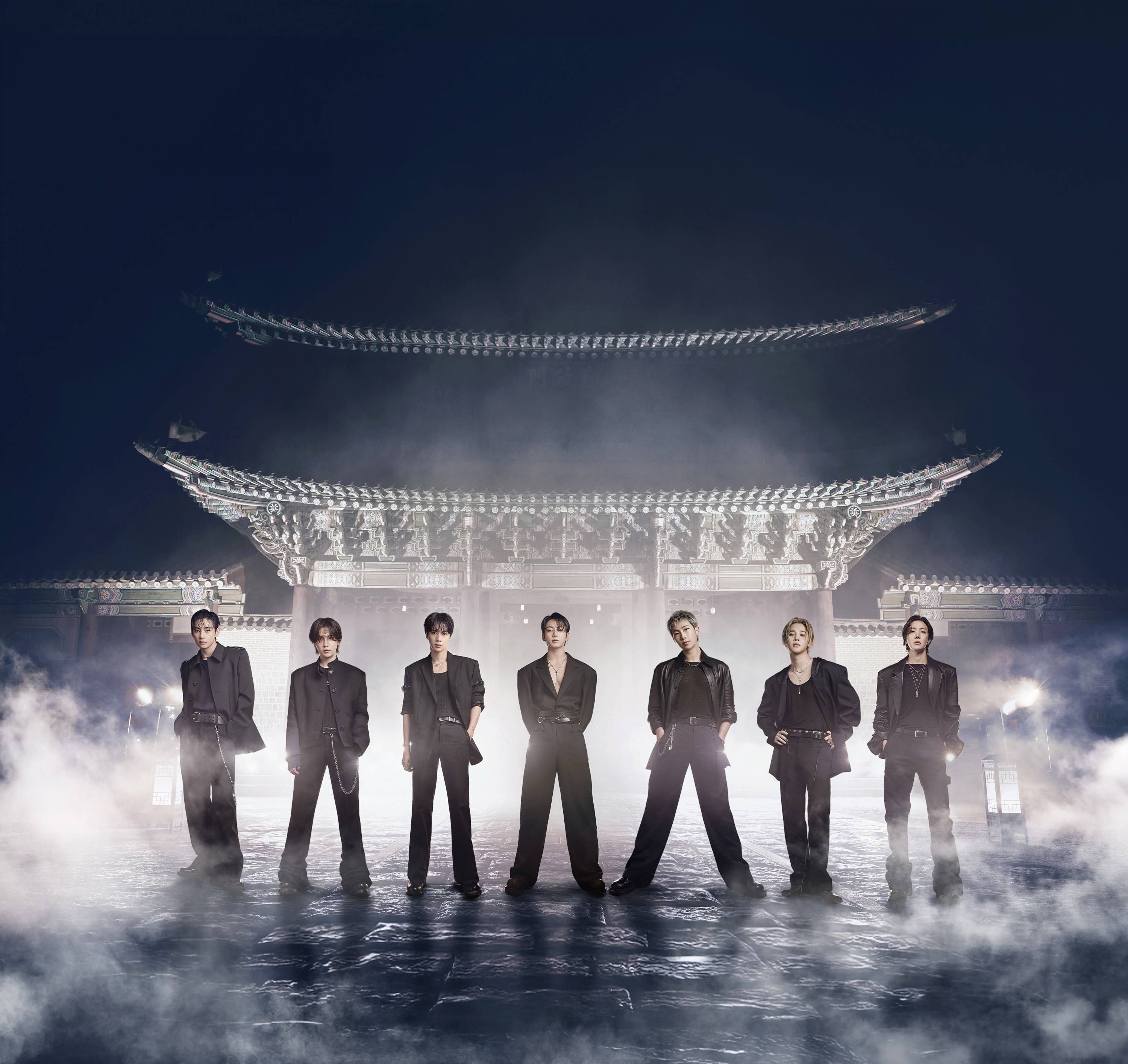
The Fragmented Front: Assessing the New Era of K-Pop Accountability
The recent discourse surrounding Blackpink’s fan meeting—specifically the stark contrast between Jisoo and Rosé’s public apologies and the silence from Jennie and Lisa—has sparked a fiery debate across social media. However, looking past the emotional fan reactions, this incident acts as a strategic Rorschach test for the post-YG era. We are witnessing a fundamental shift in how K-pop idols manage their "group identity" versus their "personal brand." When an act as monolithic as Blackpink transitions into a phase of individual agency independence, the unified corporate front that once protected every move begins to dissolve, leaving the members to navigate the thin line between individual autonomy and legacy maintenance.
The silence versus the apology is less about a lack of care and more about the evolving K-pop business model: as Blackpink members become independent brand pillars, the traditional 'group-first' PR strategy is no longer a monolith.
Decoupling the Brand: From Group Consensus to Individual Agency
To understand this divergence, we must analyze the changing structural landscape of the industry. Historically, K-pop groups operated under a centralized management structure where a single agency dictated the PR narrative for all members simultaneously. With Jennie, Lisa, and Jisoo now operating through their own independent labels (OA, LLOUD, BLISSOO) and Rosé finding new management, the concept of a "unified response" is fundamentally outdated. The silence from some members isn’t necessarily a sign of indifference; it reflects a business reality where they are no longer contractually obligated to adhere to a centralized, monolithic public relations strategy. Their branding now prioritizes global luxury partnerships and individual market positioning, which inherently carry different risk profiles than the collective "idol group" persona.
The Economic Weight of the 'Fan Treatment' Metric
From an industry analysis perspective, fan satisfaction is the KPI (Key Performance Indicator) of the K-pop economy. When a fan meeting fails to meet expectations, it doesn't just damage feelings; it impacts the "LTV" (Life-Time Value) of the fan base. YG Entertainment’s historic grip on Blackpink meant that any "sorry" was a company-sanctioned move. Today, the members are acting as their own CEOs. This shift suggests that the future of Blackpink as a brand will be defined by decentralized decision-making. While this allows for greater creative freedom, it also creates a vacuum in "crisis management" that fans are clearly noticing. The industry is currently observing whether these independent labels can maintain the high-touch engagement fans expect while the artists pivot toward global solo superstardom.
Risk Management in the Age of Solo Powerhouses
The divergence in public reaction also highlights a massive pivot in talent monetization. Jennie and Lisa have successfully transitioned into the fashion and luxury tier of global celebrity, where their "brand value" is tied to high-fashion exclusivity and global appeal rather than domestic fan engagement metrics. Jisoo and Rosé, by leaning into the traditional apologetic stance, are signaling a different trajectory—one that remains more closely aligned with the legacy of "accessible idolhood." This strategy is critical: investors and luxury houses watch these signals closely. A "silent" star signals global celebrity status, while a "responsive" star reinforces domestic loyalty. These are two distinct business tracks operating under one group name.
Future Trajectory: Can the 'Group' Survive the 'Self'?
Looking ahead, the K-pop industry will likely view this event as a case study in brand dilution. As the members pursue solo projects that command significantly higher profit margins than group activities, the "Blackpink" label becomes more of an umbrella term than a day-to-day operational entity. The challenge for the members moving forward is simple: how to keep the massive, unified fandom (BLINK) engaged while their business incentives pull them in four different, often conflicting, directions. The tension we see today is just the beginning of a broader trend where individual identity will frequently clash with the expectation of group uniformity. This is the reality of modern K-pop: the artists are no longer just members; they are individual corporations, and shareholders in the K-pop industry are taking notes.
Source Article: Read the original Korean news here
#Blackpink #KpopIndustry #Jennie #Lisa #Jisoo #Rose #YGEntertainment #KpopBusiness #IdolStrategy #GlobalKpop