Why Is Everyone Tapping Their Phones on Plushies?
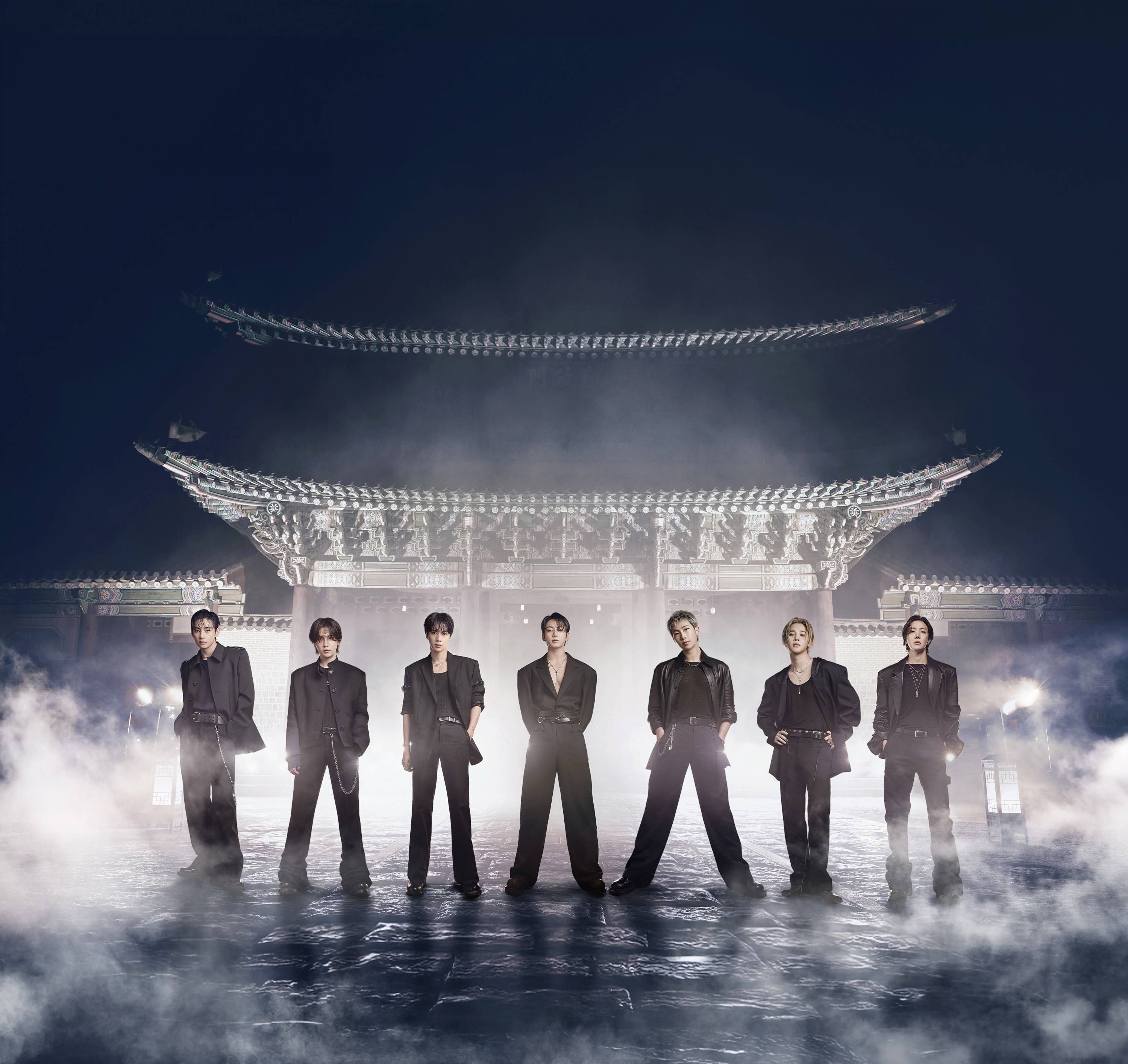
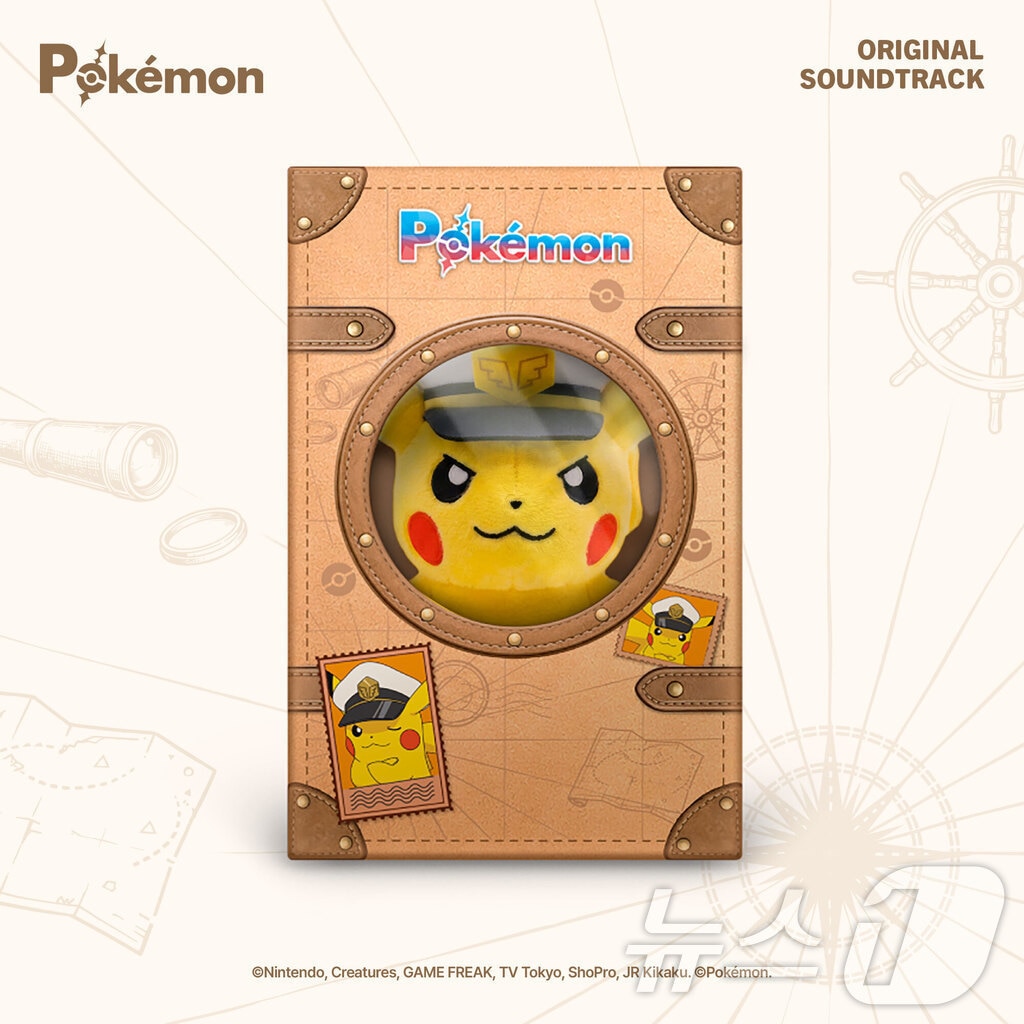
If you’ve been scrolling through your feed lately, you might have seen a peculiar trend emerging: K-pop fans tapping their smartphones against the caps of Pokémon plushies. It looks like magic, but it’s actually a brilliant intersection of retro nostalgia and cutting-edge NFC (Near Field Communication) technology. This new collaboration is moving far beyond the traditional plastic CD case or cardboard photocard. By embedding an NFC chip directly into the merchandise, creators are transforming a simple plush toy into a digital gateway, allowing fans to stream exclusive OSTs and behind-the-scenes content with a single touch. But does this signal a massive shift in how we consume music in the K-pop ecosystem?
The Tech Breakdown: How Does This Actually Work?
Many fans are curious about the technical magic behind these gadgets. Unlike a standard QR code, which requires you to open an app and frame your camera just right, NFC technology is instantaneous and seamless. When you bring your phone’s antenna near the embedded chip in the hat of the plush toy, the device automatically triggers a link to a streaming platform or a dedicated app. It’s essentially turning physical merchandise into a 'smart key' for your digital music library. This shift is designed to make the listening experience feel more tangible, creating a phygital (physical + digital) bridge that satisfies our desire for ownership in an era where most music is ephemeral and cloud-based.
| Feature | Traditional K-Pop Album | New NFC Merch |
|---|---|---|
| Interaction | Manual streaming / CD player | Instant 'Tap-to-Play' |
| Primary Value | Visuals / Photocards | Utility + Digital Access |
| Portability | Bulky collections | Pocket-sized convenience |
Is This a Gimmick or a Sustainable Trend?
Skeptics might argue that this is just another way for labels to push expensive merchandise, but there is a deeper logic here. As the K-pop market reaches global saturation, companies are looking for ways to add high-utility value to physical goods. Fans aren’t just buying a toy; they are buying an interactive experience. This is especially relevant in the K-pop space, where OSTs—often recorded by the biggest stars—rarely get the same promotional weight as a lead comeback track. By attaching these songs to a desirable, high-quality Pokémon item, labels are effectively gamifying the album-collecting process, turning the hunt for music into a treasure hunt for exclusive, limited-edition tech.
What Does This Mean for the 'Collector' Culture?
The obsession with collectibility is the heartbeat of K-pop, and this innovation fits perfectly into that mold. For years, fans have debated the environmental impact of massive CD production runs. By moving toward NFC-enabled merch, the industry might be finding a way to satisfy the collector's urge without the clutter of unwanted plastic. It changes the conversation from 'how many physical discs can I stack?' to 'how can my physical items interact with my digital ecosystem?' As we look at the trajectory of fandoms, we’re likely to see more artists move toward these 'smart' collectibles, perhaps even integrating them into augmented reality (AR) concerts or exclusive fan-club perks that unlock upon the tap of a phone.
The Bottom Line: Where Do We Go From Here?
This move is a bold experiment that blurs the lines between gaming, music, and fandom. By partnering with a global juggernaut like Pokémon, the music industry is tapping into a massive cross-generational audience. It’s no longer just about the fandom; it’s about creating a lifestyle product that happens to play your favorite OST. As this technology becomes cheaper and more accessible, we should expect to see this 'smart' merchandise integration expand to everything from lightsticks to tour apparel. For the global fan, it means the physical world is about to become a lot more connected to the songs we love.
Source Article: Read the original Korean news here
#KpopTech #NFC #PokemonKpop #SmartMerch #MusicIndustry #Phygital #KpopCollectibles #GenieMusic #TechTrend #KpopAnalysis