The Silent Battle: Why Physical Longevity is the New K-Pop Frontier
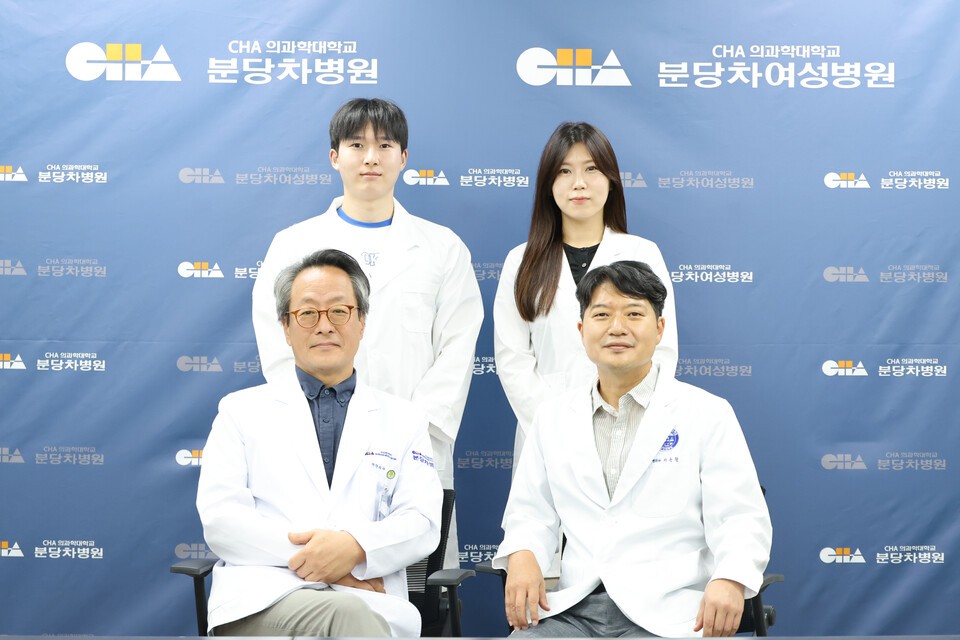
We often talk about the visuals, the choreography, and the chart-topping hits that define our favorite idols, but we rarely peel back the curtain on the physical toll that makes these performances possible. When Bundang Cha Hospital recently unveiled a breakthrough in regenerative medicine specifically targeting rotator cuff recovery, it wasn’t just a win for general orthopedics; it was a massive, quiet victory for the entire K-Pop ecosystem. For idols who push their bodies to the absolute limit, injuries—especially in the shoulder region—have historically been career-defining, or even career-ending, moments. This new clinical development offers more than just a faster healing time; it offers a lifeline that could redefine the shelf-life of a performance-heavy act.
From Intensive Practice to Clinical Innovation
The intensity of the ‘comeback preparation’ cycle is legendary for its brutality. Idols don't just learn a dance; they drill it into muscle memory through thousands of repetitions in specialized practice studios. This relentless focus on high-impact movement often leads to chronic conditions like rotator cuff tears, which require invasive procedures and long, grueling rehabilitation periods that effectively remove an artist from the global stage for months—or even years. Historically, this has forced companies to rush recovery timelines, often leading to secondary injuries. The new medical technique highlighted by Bundang Cha Hospital marks a shift toward accelerated biological healing, allowing for a more sustainable approach to returning to the limelight.
- Impact Reduction: Less invasive procedures mean shorter recovery timelines for high-energy dance groups.
- Career Longevity: Enhanced regenerative techniques allow artists to maintain peak performance levels well into their late 20s and early 30s.
- Preventative Focus: The shift toward biological regeneration shifts the focus from managing chronic pain to active structural restoration.
- Industry Standard: As these technologies become more accessible, we may see entertainment agencies formalizing partnerships with top-tier hospitals to prioritize artist health.
The Hidden Context: When Medical R&D Meets Entertainment
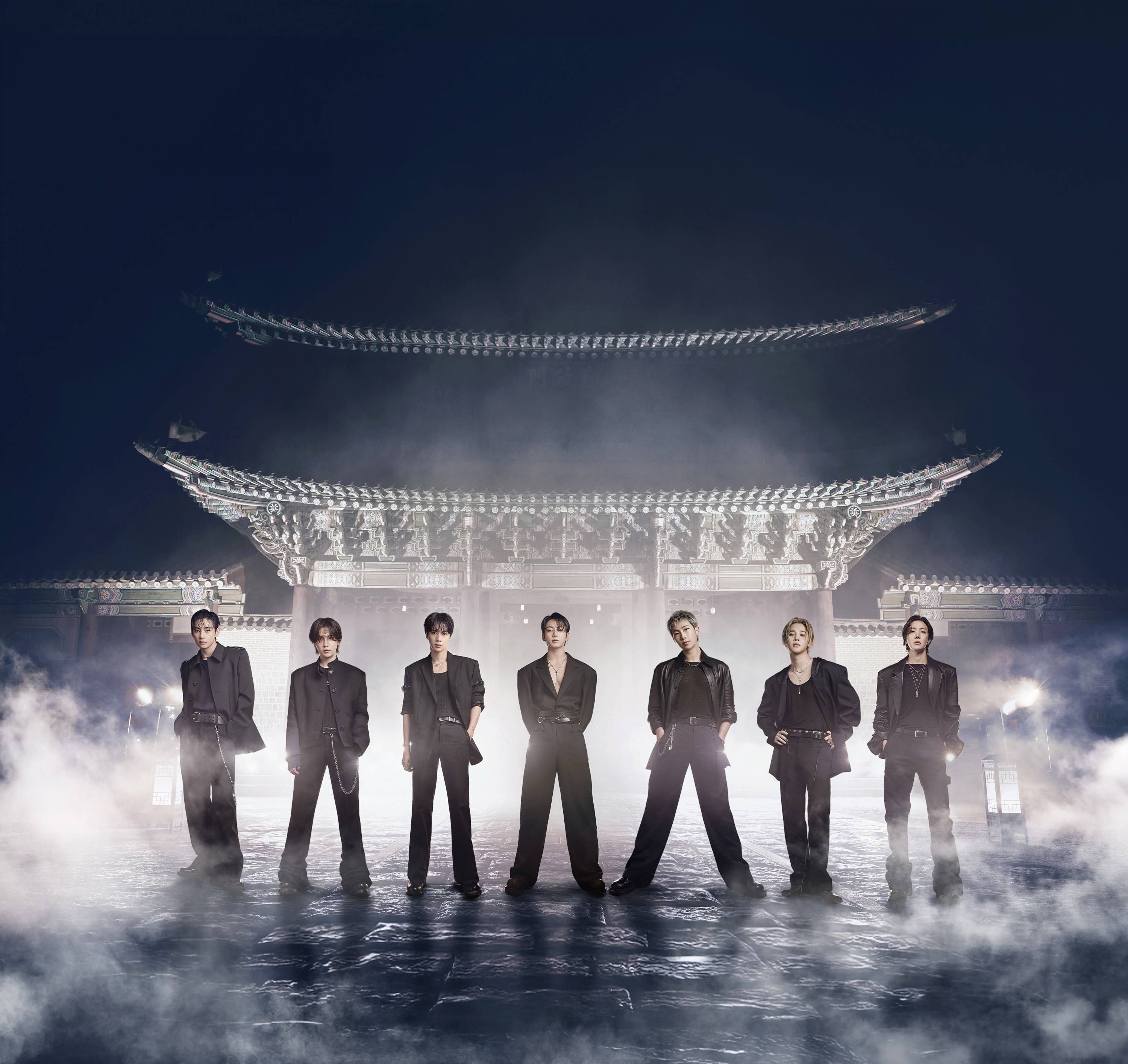
What many fans don’t realize is the complex relationship between major entertainment labels and state-of-the-art medical facilities. In the high-stakes world of K-Pop, the health of an idol isn't just a personal matter—it’s an asset management issue. When a group like BTS or others at that level of global reach experience an injury, it triggers a massive ripple effect in tour schedules, endorsement contracts, and marketing campaigns. The development of advanced soft-tissue regeneration isn't happening in a vacuum; it’s being fueled by a growing demand from the entertainment sector for specialized, rapid-recovery solutions that keep top-tier talent performing without the risk of long-term disability. This is the 'invisible' infrastructure of the industry that fans rarely get to see.
Redefining the 'Idol Resilience' Narrative
For years, the narrative surrounding injured idols has been one of 'suffer-in-silence' grit. We’ve seen countless instances where artists return to the stage while visibly struggling, merely to fulfill obligations to their fans. The hope now is that with superior medical technologies like those recently announced, the industry can move away from this toxic endurance culture. Instead of 'pushing through' pain, the future of K-Pop performance might be built on a foundation of proactive medical maintenance. This pivot not only keeps the music playing but ensures that our favorite stars can live healthy, active lives long after their final stage performance. It’s a transition from viewing an idol's body as a temporary commodity to treating it as a precious, long-term instrument that deserves the best scientific support available.
What This Means for the Next Generation of Performers
As we look toward the future, the expectations for fourth and fifth-generation groups are higher than ever, with choreography becoming increasingly acrobatic and complex. The survival of these groups will depend heavily on how their agencies handle the physical maintenance of their members. By integrating breakthroughs in regenerative technology, we might be entering an era where injury-related hiatuses are significantly reduced, allowing for more consistent and stable group activities. This is a game-changer that ensures the 'performance excellence' we crave doesn't come at the cost of the artist’s future health, proving that the brightest future for K-Pop is one where technology and human potential dance perfectly in sync.
Source Article: Read the original Korean news here
#KPopIndustry #BTS #IdolHealth #RegenerativeMedicine #KPopNews #PerformanceCulture #HealthTech #DanceRecovery #KPopAnalysis #FutureOfKPop