Why Does a Contract Renewal and Military Service Announcement Matter Now?
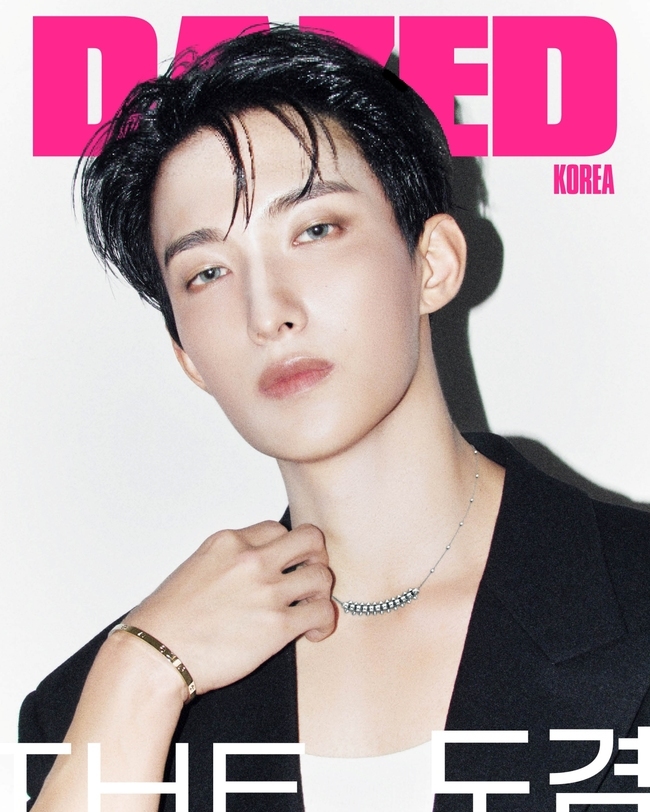
For global CARATs, the news regarding Seventeen’s Dokyeom—balancing the relief of a complete group renewal with the looming reality of mandatory military service—feels like a pivotal crossroads. While many agencies treat contract renewals as internal corporate business, PLEDIS Entertainment’s decision to frame this narrative around 'becoming more solid' is a calculated move to manage fan sentiment during an inevitable period of transition. Unlike groups that face 'contract expiration anxiety,' Seventeen has cemented a collective identity that transcends individual solo endeavors. The core question for fans isn't just about the absence of a member, but rather how the group’s synergy model—which relies heavily on their synchronized, high-energy stage presence—will adapt as the rotation of members into the military begins.
The transition into military service is no longer a 'downtime' for Seventeen; it is a structural evolution designed to preserve the group’s legacy while allowing individual artistic maturation.
How Will Seventeen Maintain Their 'Full Group' Vibe Amid Staggered Departures?
A common concern among fans is the 'emptiness' that follows a popular idol's enlistment. However, Seventeen has historically operated as a self-producing machine. With Dokyeom’s upcoming service, the group is clearly signaling that they are prioritizing long-term sustainability over short-term activity spikes. By anchoring the group with a confirmed full-team contract, they are insulating themselves from the industry volatility that often claims groups during their second contract phase. Fans should expect to see a shift toward unit-based activities, solo OST projects, and possibly a surge in digital content that emphasizes their interpersonal chemistry, which has always been their greatest selling point.
Is the 'Harder and Stronger' Rhetoric Just PR, or a Real Strategy?
When idols say they will 'return stronger,' it is often dismissed as standard press release jargon. In the case of Dokyeom and the rest of Seventeen, this statement holds weight due to their unique position in the global K-Pop hierarchy. They have moved past the 'rookie growth' phase and are now in the 'legacy-building' stage. The military gap serves as a rare breather for members who have maintained an grueling pace of releases since their debut. By using this time to pivot toward solo vocal showcases or individual branding, members can return to the group with elevated profiles, effectively expanding the group’s total market reach rather than just returning to the status quo.
What Should Fans Expect During the 'Military Transition' Phase?
Global fans often ask: 'Will the music change?' or 'Will the comeback frequency drop?' The answer lies in the preparedness of the agency. Seventeen has historically pre-recorded content and developed a backlog of projects that keeps them visible even when members are unavailable. The 'Dokyeom era' of this transition will likely feature a heavy emphasis on his vocal prowess and emotional depth, likely manifesting in solo ballads or specialized variety appearances. This period is not about disappearing; it is about diversifying the 'Seventeen brand' so that every member becomes an indispensable pillar of the group’s intellectual property.
How Does This Impact the Larger K-Pop Ecosystem?
Seventeen’s model is currently serving as a blueprint for longevity in an industry that is notoriously age-conscious. By addressing military service as a natural part of their career cycle—rather than an existential threat—they are setting a new standard for how major boy groups handle their mid-career peak. While the industry has seen the likes of BTS navigate this transition with immense global success, Seventeen’s approach is more localized to their unique internal dynamics, where the 'thirteen-member strength' is the primary product. Their commitment to staying together is the ultimate hedge against market fluctuation, proving that in 2024, group integrity is the most valuable currency in K-Pop.
Source Article: Read the original Korean news here
#Seventeen #Dokyeom #DK #KpopNews #HYBE #PledisEntertainment #KpopIdol #MilitaryService #CARAT #KpopAnalysis