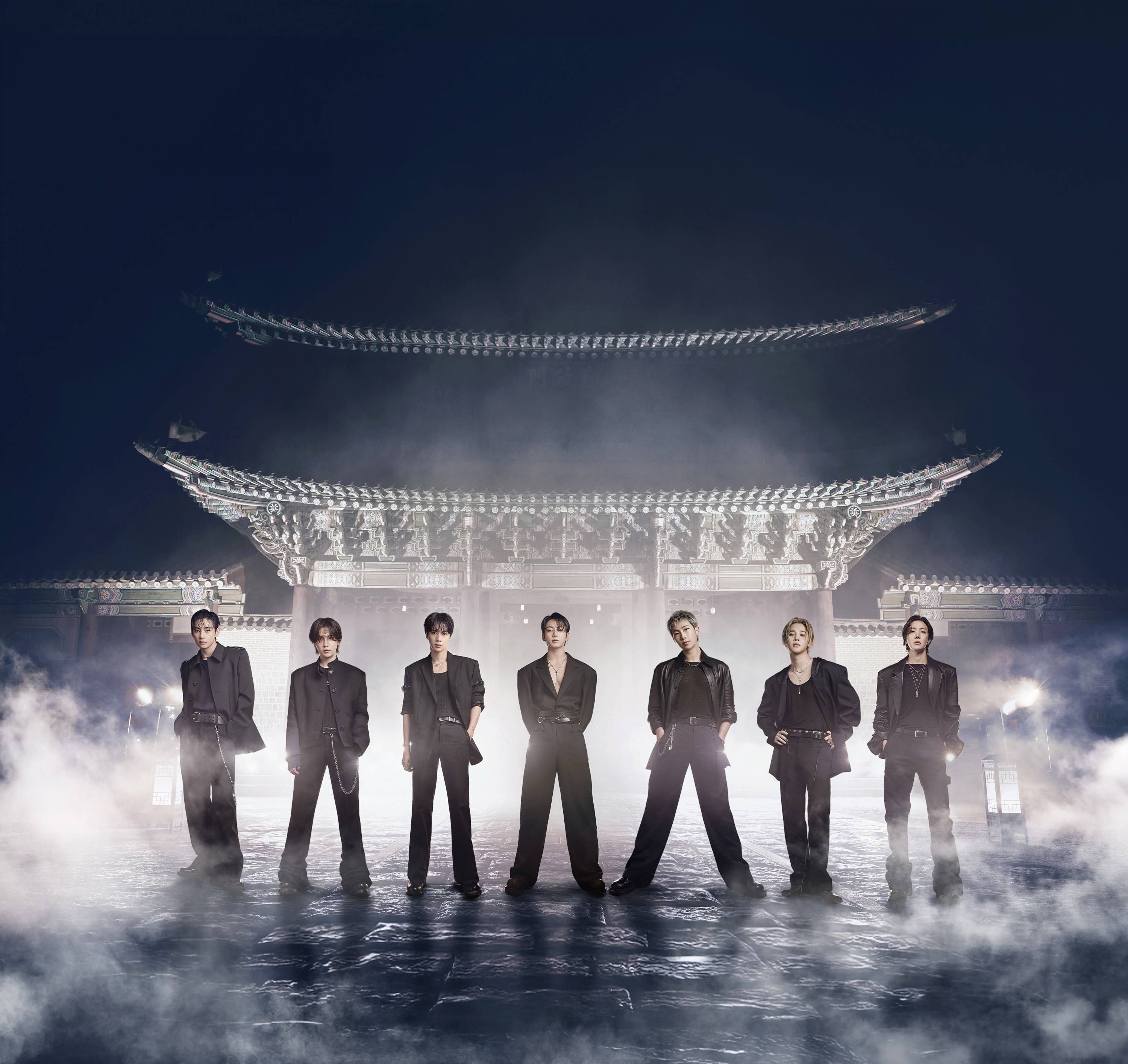
While the global spotlight remains firmly fixed on the juggernauts of K-Pop, a seismic shift is happening in the underground, where the traditional sounds of Korea are being retooled for the digital age.
As fans look for the 'next big thing' beyond the polished idols of major agencies, groups like Seodo Band are carving out a unique niche that defies traditional categorization. Often referred to as the pioneers of 'Joseon Pop'—a blend of Gugak (traditional Korean music) and contemporary pop sensibilities—they are leveraging the same digital pathways that paved the way for groups like BTS to reach international audiences. But what exactly is this movement, and why is it resonating with fans who have grown tired of the standard pop formula?
What is 'Joseon Pop' and why does it matter?
At its core, Joseon Pop is an act of cultural reclamation. It isn't just about using a gayageum or janggu as a background texture in a beat; it is about centering Korean vocal techniques—which are often more guttural, melodic, and resonant than standard pop vocals—and fusing them with modern synth-pop, rock, or electronic foundations. For international fans, this provides a 'fresh-yet-ancient' listening experience. It taps into the curiosity surrounding Korean heritage while satisfying the ear's hunger for high-energy production. Seodo Band, in particular, has mastered the art of making this sound accessible rather than academic, proving that the 'BTS algorithm' isn't just a vehicle for K-Pop idols, but a legitimate infrastructure for any talented Korean artist who can frame their narrative with enough visual and sonic charisma.
How is the 'BTS Algorithm' impacting independent artists?
The 'BTS algorithm' is shorthand for the hyper-personalized, recommendation-driven ecosystem of YouTube and TikTok. For years, fans of K-Pop have clicked on videos of their favorite groups, inadvertently training the algorithm to associate Korean culture with high-production value. Now, when a band like Seodo Band releases a video that matches that level of aesthetic quality, the algorithm serves their content to those same users. This has democratized the music scene in a way we haven't seen before. It allows artists who aren't backed by the 'Big Four' conglomerates to benefit from the curiosity gap that BTS opened. Global listeners are now searching for the roots of the sounds they hear in K-Pop, and they are landing directly in the lap of the Joseon Pop movement.
What is the biggest hurdle for traditional-fusion bands?
The primary challenge is moving past the 'novelty' phase. While global fans are often initially attracted to the traditional aesthetic—the visual markers like hanbok-inspired attire or traditional instruments—sustained success requires musical longevity. Many fusion bands struggle to transition from 'that cool cultural performance' to being a band with a consistent, evolving discography. Seodo Band’s strategy has been to focus on 'pleasant ambition'—creating songs that feel like pop anthems but carry the soul of folk songs. The question isn't whether they can make one viral hit, but whether they can build a fandom identity strong enough to rival that of mainstream idols, which requires a deep, parasocial connection with the listeners.
How does this shift redefine our perception of 'K-Pop'?
We need to stop viewing 'K-Pop' as a genre and start seeing it as an industrial powerhouse. The success of acts like Seodo Band proves that the industry’s infrastructure—from the digital marketing precision to the high-budget music video production—is being exported to other genres. The line between 'traditional artist' and 'pop star' is blurring. If the 2010s were about the rise of the idol training system, the late 2020s are shaping up to be an era where cultural authenticity becomes the primary currency. Fans are tired of the recycled 'girl crush' or 'boy band' concepts; they want stories, history, and a sound that feels like it has a place in a globalized world but a heart that is distinctly Korean.
What should fans look for in the next few years?
Keep a close eye on the festival circuit. Just as we saw with the massive international response to Korean acts at Summer Sonic, the appetite for diverse Korean music is at an all-time high. I expect that in the next two to three years, the festival organizers will start courting these Joseon Pop acts for world stages. The 'ambition' mentioned by Seodo Band is contagious—it represents a new wave of Korean artists who aren't looking to mimic the BTS blueprint, but who are actively rewriting it to include their own ancestral voices. It is a thrilling time for anyone who loves Korean music, as the horizon of what we consider 'K-Pop' is expanding further than ever before.
Source Article: Read the original Korean news here
#SeodoBand #JoseonPop #KMusic #KPopCulture #TraditionalFusion #KoreanWave #GlobalMusic #BTSAlgorithm #Gugak #ModernKPop