When the line between playful celebrity banter and fan-defined etiquette blurs, the internet becomes a battlefield of digital ‘corrections’ that reveal just how deep the parasocial connection really goes.
The Public Tug-of-War Over Idolatry
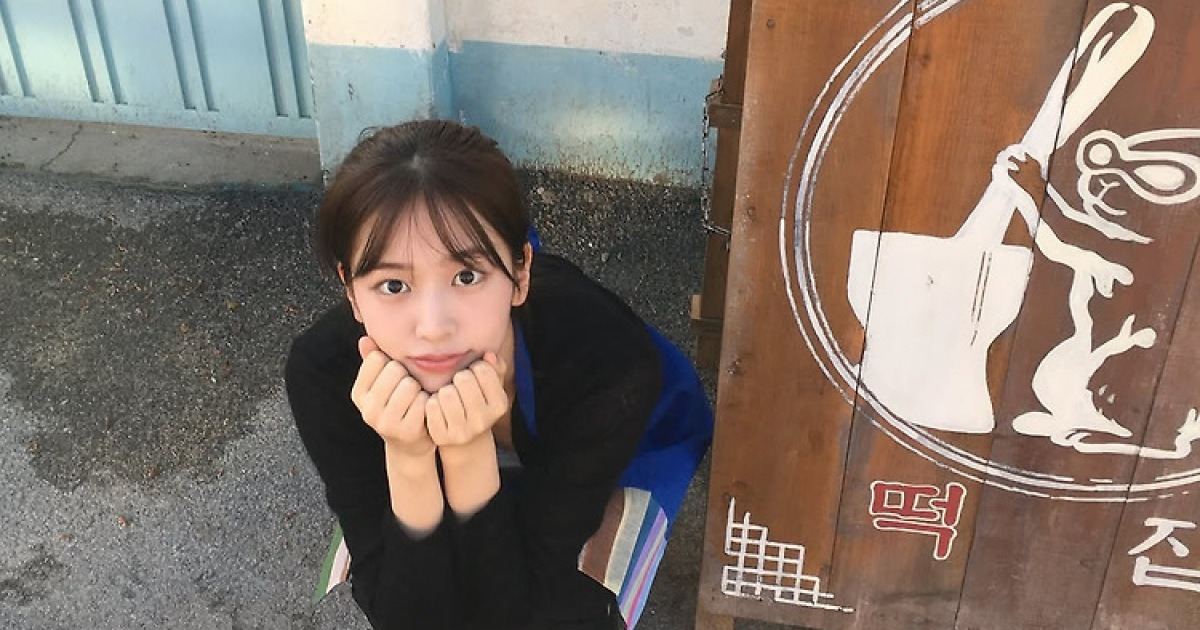
In the high-speed world of K-pop, the interactions between stars are often the bread and butter of viral content. Recently, a seemingly lighthearted exchange between Lee Young-ji and IVE’s An Yujin—two pillars of the current entertainment landscape—sent the fandom into a frenzy. When Young-ji dropped a casual comment saying, “I miss An Yujin,” the internet didn’t just smile; it corrected. Fans swarmed the comments section with a unified, slightly sassy refrain: “It’s just Yujin!” This wasn’t just a simple linguistic preference; it was a masterclass in how fans subconsciously police the way the world speaks about their idols, asserting a sense of intimacy that demands the removal of surnames to signify closeness.
Decoding the Fan-Driven ‘Hierarchy of Intimacy’
Why do fans care so much about whether someone says “An Yujin” or simply “Yujin”? In the Korean cultural context, the use of a full name in a casual social setting can feel distant or overly formal—the professional equivalent of a firm handshake when you were expecting a hug. For the global fandom, this is a signifier of the deep-seated loyalty fans feel toward their favorites. When Young-ji, despite being a close peer and friend, used the full name, the fandom perceived a gap that they felt they had the authority to bridge. It highlights a unique phenomenon: the community feels like a collective guardian of the idol's image, ensuring that the warmth and approachability they associate with the artist are mirrored by everyone, including their celebrity friends.
The Role of ‘Reality Entertainment’ in Shaping Perception
We cannot ignore the influence of Earth Arcade, the hit variety show that solidified the chemistry between these two stars. Because viewers have spent hours watching them bicker, eat, and travel together, the audience feels like a third party in the friendship. When a celebrity deviates from the 'on-screen' dynamic that fans have curated in their minds, the backlash—however playful—is almost instantaneous. This reaction isn't about being mean to Young-ji; it is an act of fan-space activism. The audience is essentially saying, “We know how close you are, so act like it.” It’s a fascinating, albeit intense, indicator of how deeply variety shows have successfully humanized these idols, making them feel like public property that the fans are fiercely protective of.
The Evolution of Fandom Protectionism
Years ago, fan protectionism was limited to defending an idol against scandals or malicious rumors. Today, the focus has shifted to the 'vibe' of the interaction. This shift is a byproduct of the fourth-generation K-pop era, where idols are marketed as accessible, relatable, and human. The fandom doesn't just want to watch the performance; they want to curate the social environment surrounding the artist. Seeing a wave of fans correcting a celebrity friend shows that the power dynamic has shifted. Fans are no longer passive observers; they are active participants in managing the artist's brand identity, ensuring that their favorites are treated with the exact level of affection that the fans believe they deserve.
Why These ‘Minor’ Moments Shape Industry Trends
While some might dismiss this as mere social media noise, this incident is a bellwether for how K-pop brand equity functions in 2024. The emotional investment of the fan base is the primary engine of IVE’s massive market presence. When fans feel empowered to ‘correct’ the narrative, they are deepening their own commitment to the group. This engagement loop—where fans feel like they are part of the team—increases the viral spread of any content involving the artists. It’s a testament to the fact that for Gen Z fans, the idol is not just a performer; they are a central figure in a community where every interaction, every name drop, and every emoji is analyzed for its emotional weight.
Looking Ahead: Navigating the Parasocial Tightrope
As we move forward, the relationship between mainstream celebrities and K-pop icons will only become more scrutinized. Stars like Lee Young-ji occupy a unique space as both creators and fans, navigating the thin line between professional recognition and personal friendship. For idols, this means that every public association is now a multifaceted test of how well they fit into the narrative their fans have built. Ultimately, this 'uproar' over a first name is just a symptom of a healthy, albeit very intense, fandom that cares deeply about the personal narrative of their favorite star. It’s not just a comment thread; it’s a living, breathing testament to the power of the idol-fan bond in the modern digital age.
Source Article: Read the original Korean news here
#IVE #AnYujin #LeeYoungJi #EarthArcade #KpopCulture #DIVE #FanReaction #KpopTrends #VarietyShow #IdolDynamics