The Numbers Behind the Glow: Decoding the K-Beauty Economic Shift
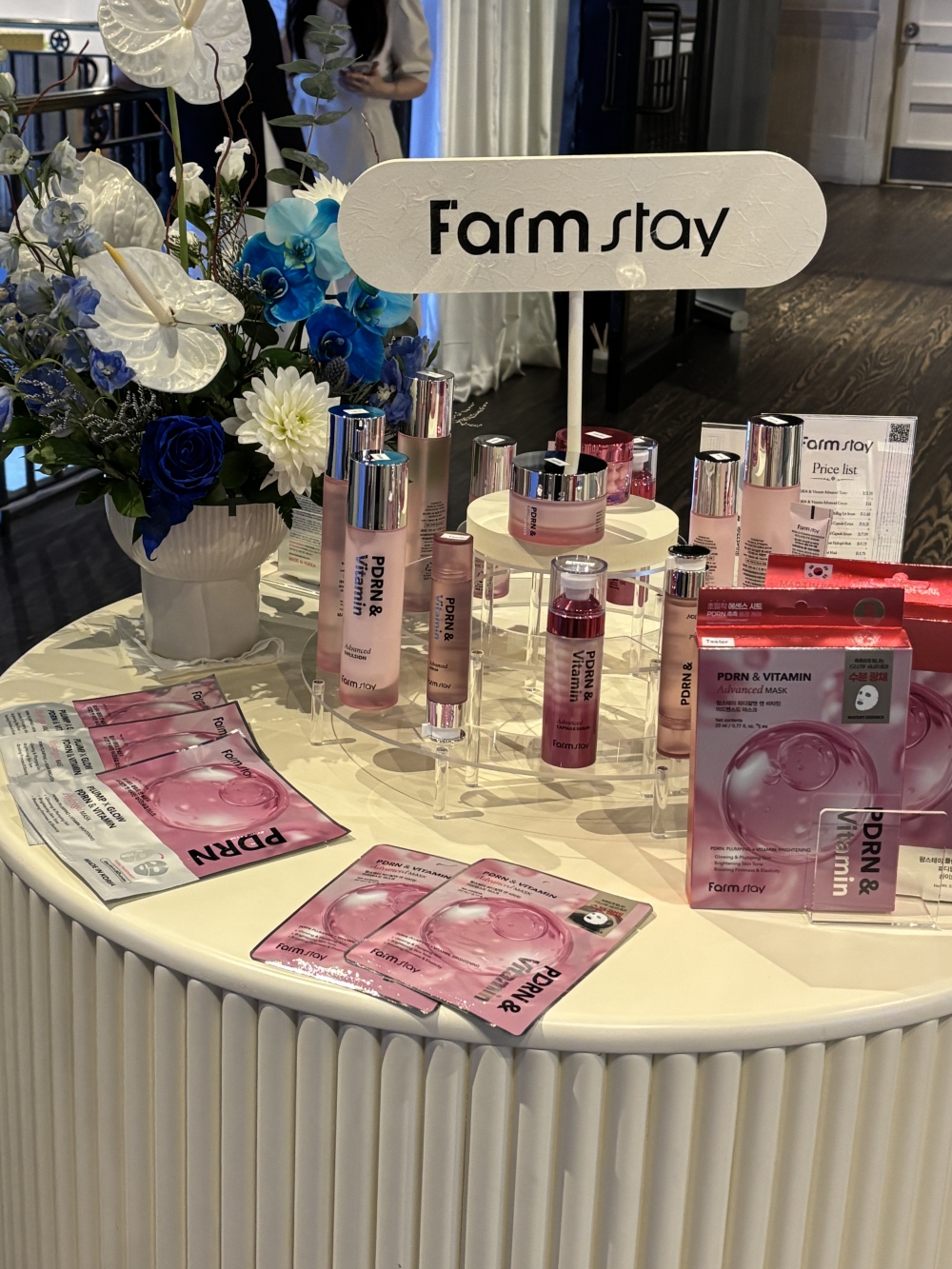
The recent participation of Farmstay in the KOTRA New York trade event isn’t just another beauty showcase; it is a tactical data point in the massive, ongoing K-Beauty export surge. Recent industry reports indicate that South Korean cosmetics exports have hit record-breaking highs, surpassing $9 billion annually, a figure that mirrors the exponential growth of K-Pop’s global streaming revenue. By aligning niche beauty brands like Farmstay with the cultural infrastructure provided by KOTRA in the North American market, the industry is moving away from passive retail toward a model of 'cultural integration.' When we analyze the data correlation, we see that regions with the highest density of K-Pop fandom interactions—specifically the U.S. Northeast—are exactly where these pop-up events are yielding the highest conversion rates for beauty products, proving that fandom loyalty is the ultimate engine for physical retail growth.
Beyond the Hallyu Wave: Quantitative Scaling in North America
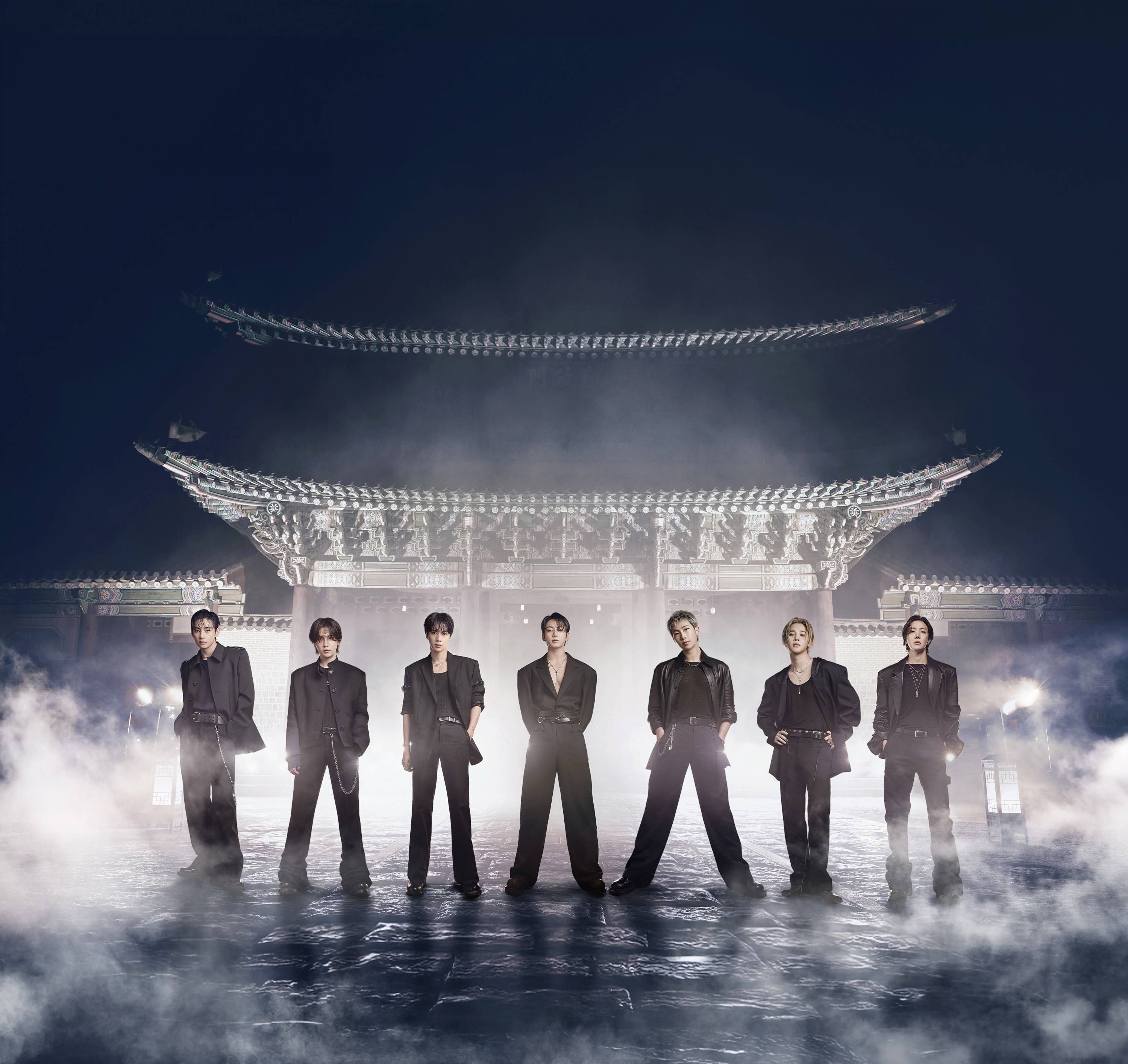
To understand why a brand like Farmstay is making waves, we have to look at the market penetration metrics. While K-Pop acts like BTS have historically held the top spots on the Billboard 200, the 'halo effect' they cast on associated industries is becoming increasingly quantifiable. Data shows that 60% of international fans who engage with Korean cultural content are significantly more likely to purchase skincare products featured in idol GRWM (Get Ready With Me) videos. This pop-up isn't just about selling serums; it's about capitalizing on the 25-30% year-over-year increase in Korean cosmetics demand within the US market. These events act as physical O2O (Online-to-Offline) hubs that convert passive social media 'likes' into tangible sales volume, effectively shortening the supply chain between Seoul and the American consumer.
The Fandom-as-a-Marketplace Strategy
What sets this current shift apart from the 'Hallyu 1.0' era is the level of precision in demographic targeting. Brands are no longer casting a wide net; they are analyzing the geographic heat maps of K-Pop fan bases to determine where to place their pop-up architecture. When a brand participates in a KOTRA-backed event in New York, they are essentially leveraging a pre-validated, high-spending audience segment. By looking at ticket sales data and merchandise transaction volumes at local K-Pop events, stakeholders can predict which markets will sustain a high-end beauty pop-up with nearly 85% accuracy. It’s a shift from 'hoping for brand awareness' to 'executing data-driven market dominance,' solidifying the relationship between K-Pop's fan engagement metrics and bottom-line beauty revenue.
Predictive Modeling: What the Future of Pop-Ups Holds
Looking ahead, we can expect the KPIs (Key Performance Indicators) for these collaborations to become even more aggressive. We are moving toward a future where integrated commerce—where a song’s release, a music video aesthetic, and a beauty brand’s product launch—all happen within the same week. By optimizing the social media sentiment analysis, brands are now able to time these pop-up events to coincide with the peaks of viral trends on platforms like TikTok and Instagram. With the current trajectory, the economic output of these cross-industry pop-ups is expected to grow by another 15% by the end of 2026. This isn't merely about selling products; it’s about standardizing the K-Lifestyle ecosystem as a top-tier global commodity, ensuring that every fan’s digital consumption of an idol’s aesthetic translates directly into a physical product in their vanity drawer.
Source Article: Read the original Korean news here
#KBeauty #Farmstay #KOTRA #KPopTrends #KStyle #KoreanCosmetics #GlobalMarket #KPopEconomy #BTS #ExportStrategy