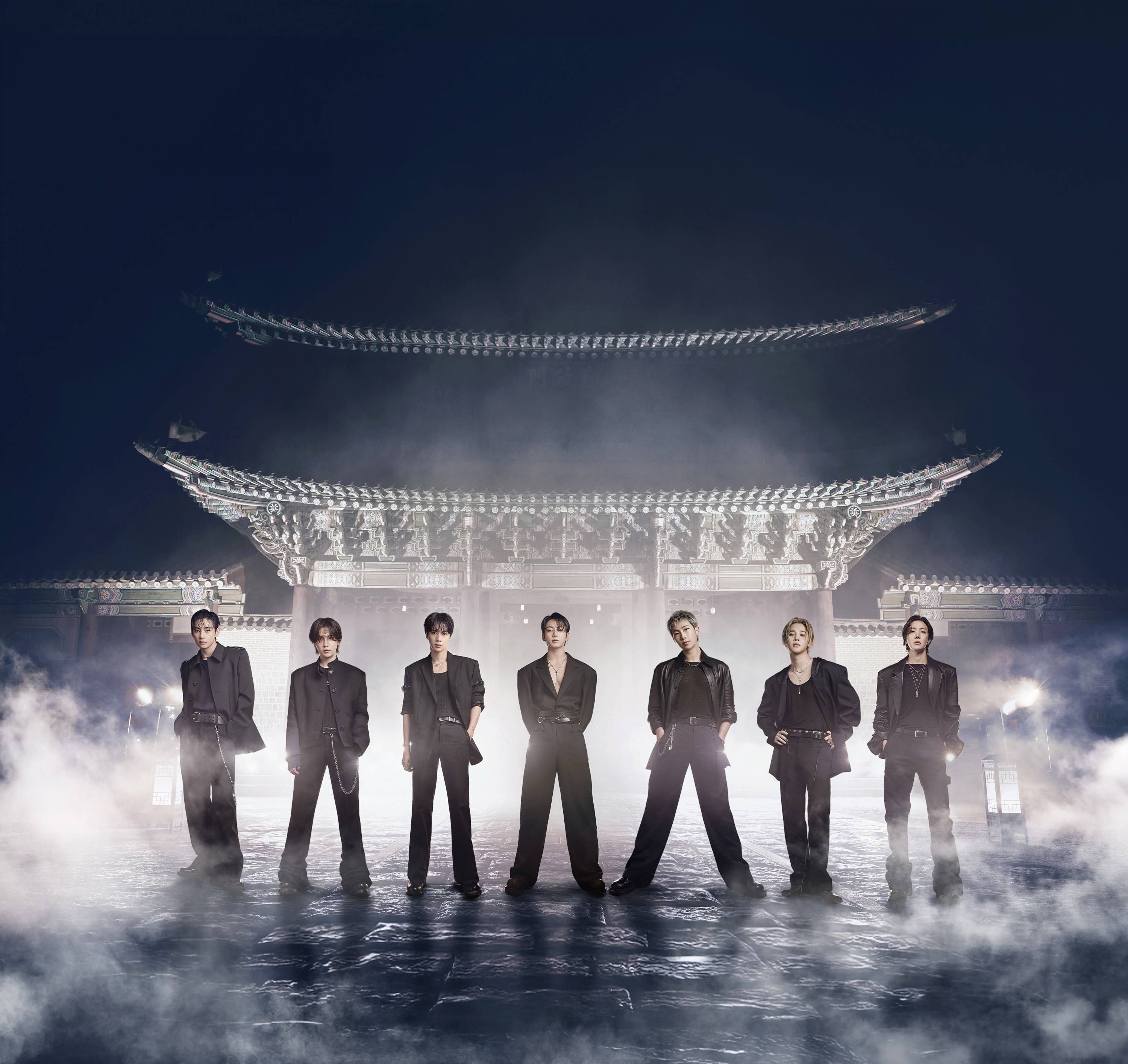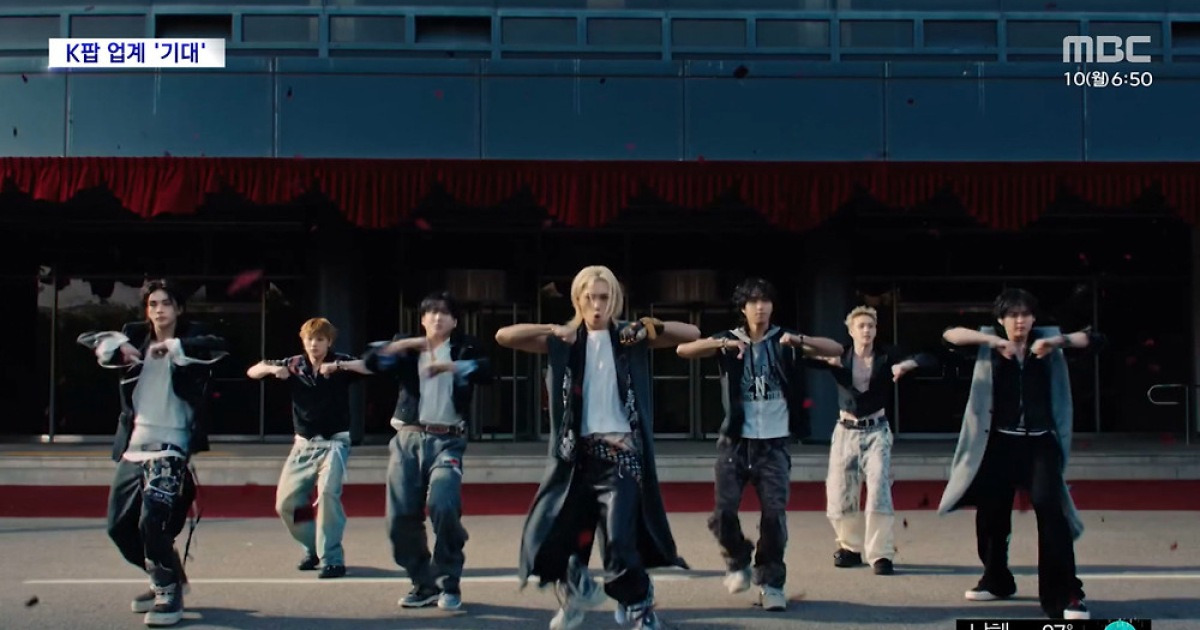
As the industry gears up for a high-stakes competitive cycle, the collision of established titans like BIGBANG and global performance powerhouses like Stray Kids signals far more than just a calendar quirk—it’s a definitive shift in the current K-pop power hierarchy.
The Convergence of Eras: From Pioneers to Modern Powerhouses
When we look at the current landscape of K-pop, the term 'comeback war' is often tossed around with hyperbole. However, the latest wave of announcements, featuring both BIGBANG—the architects of the modern idol blueprint—and Stray Kids, who are currently defining the high-octane performance standards of the 4th generation, suggests a genuine paradigm shift. This isn't just about competing for music show trophies; it's about two distinct eras of K-pop operating on the same timeline. For Stray Kids, who have spent the last few years aggressively expanding their global footprint through self-produced, experimental sounds, this period serves as a litmus test for their sustained relevance at the absolute peak of the industry. Conversely, the presence of legendary figures like BIGBANG reminds us that the K-pop market is becoming increasingly multi-generational, where 'seniority' no longer means retiring into the background but rather entering a new, seasoned stage of influence.
Stray Kids: The Architect of Their Own Career Milestone
Analyzing the trajectory of Stray Kids requires looking back at their humble beginnings within the '4th generation' grouping. They didn't start at the top; they climbed through a grit-heavy process of producing their own discography, which allowed them to build a uniquely resilient fandom, STAY. Their current comeback isn't just another entry in their discography—it is a reinforcement of their 'career-best' momentum. Having already conquered international charts and solidified their position as festival headliners, this new era is about artistic consolidation. They have transitioned from the 'up-and-comers' seeking validation to the 'industry benchmark' that others now try to emulate. Their ability to remain consistent while evolving their sound is the primary reason why this specific comeback feels like a maturity check that will likely dictate the next two years of their creative direction.
The Legacy Effect: BIGBANG and the Art of the Long Game
While Stray Kids are in the prime of their momentum, the inclusion of veterans like BIGBANG in the current conversation offers a fascinating look at the longevity of K-pop legacy. In an industry notoriously obsessed with the 'next big thing,' veteran groups are now rewriting the rules of the career timeline. For an artist who has survived multiple generations of industry changes, every comeback is a calculated re-introduction to the market. Unlike rookie groups who must prove their value, legacy acts like BIGBANG are effectively managing their brand heritage. Their participation in this 'comeback war' highlights a rare phenomenon: the shift from being a 'current trend' to becoming a 'permanent cultural institution.' This trajectory sets the stage for a future where idol careers are no longer measured by the typical seven-year renewal cycle, but by decades of sustained artistic presence.
Market Volatility and the New Definition of Success
This current cluster of major releases is also indicative of how the industry itself is changing its release strategies to maximize impact. We are seeing a move away from the 'drip-feed' style of content toward massive, high-impact windows where titans collide. For fans, this is a golden age, but for the industry, it is a high-stakes calculation of market saturation. The competition isn't just between the artists themselves; it is a battle for the fleeting attention of a global audience that has more options than ever before. This period of intense competition is likely to force labels to sharpen their creative output, as the audience’s threshold for 'standard' content has significantly risen due to the caliber of acts currently entering the fray.
What This Means for the Future Landscape
As we look past this autumn, the takeaway is clear: the K-pop industry is entering a 'multi-speed' era. We have groups like Stray Kids, who are iterating rapidly to maintain a high-frequency global presence, and legacy icons who have adopted a 'quality over quantity' approach to maintain their cultural weight. This dichotomy is what keeps the ecosystem healthy. Moving forward, the most successful artists will be those who can balance the fan-driven pressure for constant content with the need for long-term career narrative building. Whether it is Stray Kids pushing the boundaries of their signature 'noise music' style or veterans reinventing their sound to fit the contemporary ear, this season’s comeback race is essentially a grand reset that will define the winners of the next generation of K-pop.
Source Article: Read the original Korean news here
#KpopComeback #StrayKids #BIGBANG #KpopTrends #MusicIndustry #4thGenKpop #IdolLegacy #KpopAnalysis #NewMusicAlert #KpopCommunity