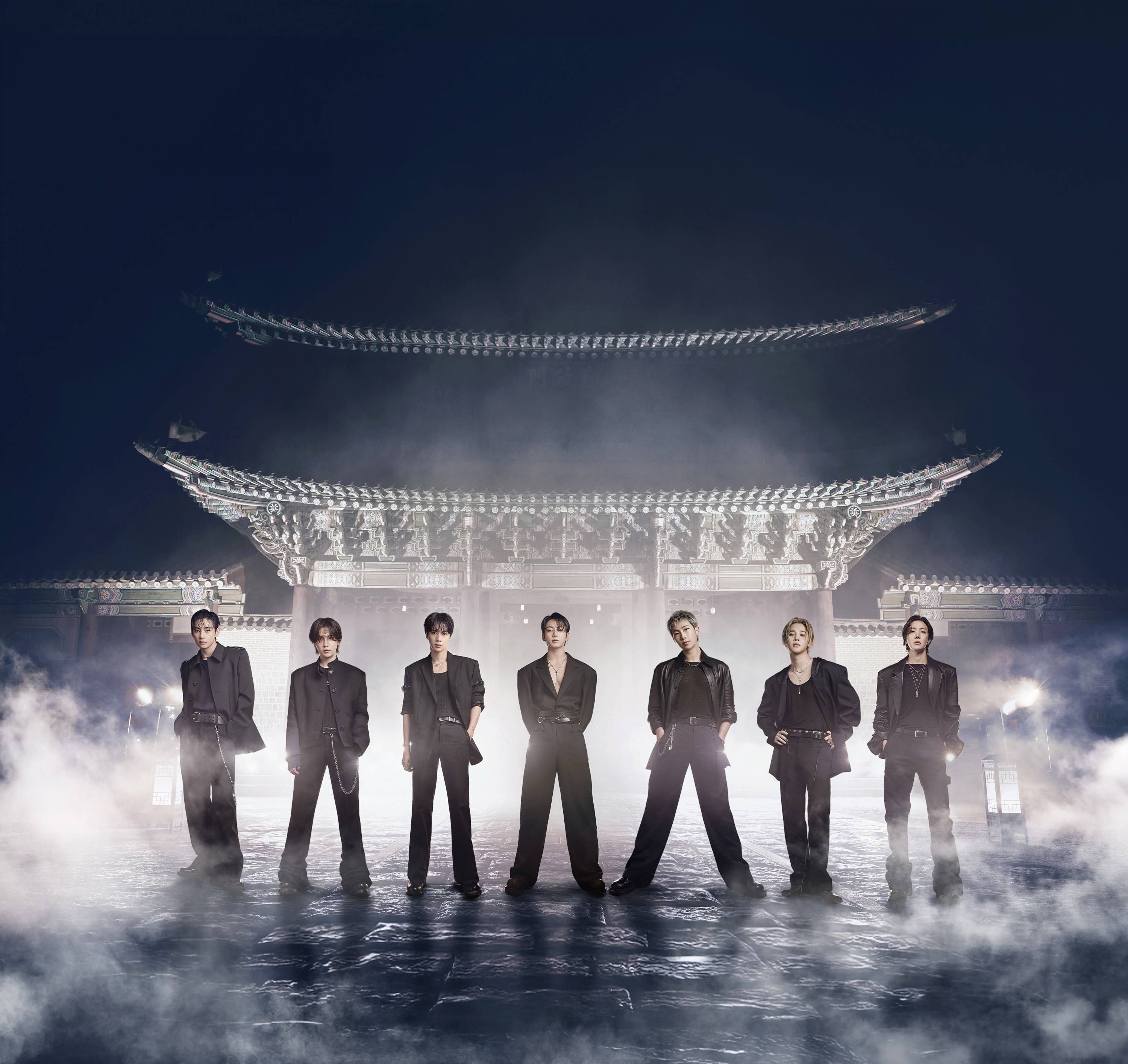
The Power of the Fandom: Why ARMY is Choosing to 'Boycott'
The global music landscape is witnessing a fascinating shift as BTS’s dedicated fandom, ARMY, has once again proven that they are more than just casual listeners—they are a cultural force capable of challenging industry norms. Recent reports indicate that a significant portion of the fanbase has joined a movement to 'boycott' the Grammy Awards. This decision stems from a long-standing frustration among international fans regarding what many perceive as a lack of recognition or 'snubs' toward BTS despite their unprecedented global success, record-breaking chart entries, and massive influence on the music industry. It is not just a passive protest; it is a strategic mobilization that highlights the complex relationship between global artists and the traditional awarding bodies of the West.
Revitalizing the Charts: The Power of 'Reverse Running'
Rather than simply disengaging, ARMY has turned their energy toward what is known as ‘reverse running’ (yeokjuhaeng), a term used when older songs climb back up the music charts after their initial release period. By streaming past tracks and supporting BTS's solo projects, fans are effectively showcasing the timeless quality of the group's discography. This initiative serves as a powerful reminder that BTS’s worth is not defined by trophies or institutional validation, but by the steadfast loyalty of their listeners. Fans are using hashtags like #BTS and other targeted campaigns to amplify their voices on social media, ensuring that the industry notices their unified stance.
The Industry Context: The 'Grammy Snub' Debate
The tension between the Grammys and K-POP acts is not a new phenomenon. Over the past few years, as BTS shattered barriers with hits like 'Dynamite' and 'Butter,' the question of their Grammy nomination and subsequent wins became a central point of global discourse. Many industry analysts argue that the Recording Academy has been slow to evolve, often utilizing the group for ratings and performances while failing to award them in major categories. This perceived gatekeeping has left a bitter taste for many, leading fans to question the relevance of the awards in an era where global streaming numbers and genuine fan impact represent the 'real' success of an artist.
Social Media as the New Arena of Protest
Social media platforms have become the primary battleground for this movement. By organizing hashtag campaigns, ARMY is able to mobilize millions of people across different time zones, creating a digital ripple effect that cannot be ignored by mainstream media. This type of grassroots organizing is a hallmark of the digital-native fandom generation. These fans do not wait for traditional gatekeepers to tell them who the biggest artists are; they create their own narratives through data, engagement, and shared passion. The use of hashtags has become an effective tool to demand transparency and respect for the artists they hold dear.
Looking Ahead: What This Means for Future Awards
As the entertainment industry continues to evolve, the impact of such boycotts could force institutions like the Grammys to re-evaluate their voting processes and inclusiveness. When a massive, globally connected community decides that an award show no longer aligns with their values, the prestige of that award inevitably diminishes. Looking toward the future, the BTS era has set a new precedent for how artists and their fans interact. Whether it is through chart-topping solo releases or massive social movements, the synergy between BTS and ARMY remains the most potent force in modern music, proving that they don't need a golden gramophone to validate their historical legacy.
Source Article: Read the original Korean news here
#BTS #ARMY #Grammys #KPOP #MusicIndustry #ReverseRunning #BTSARMY #MusicNews #PopCulture #FanPower