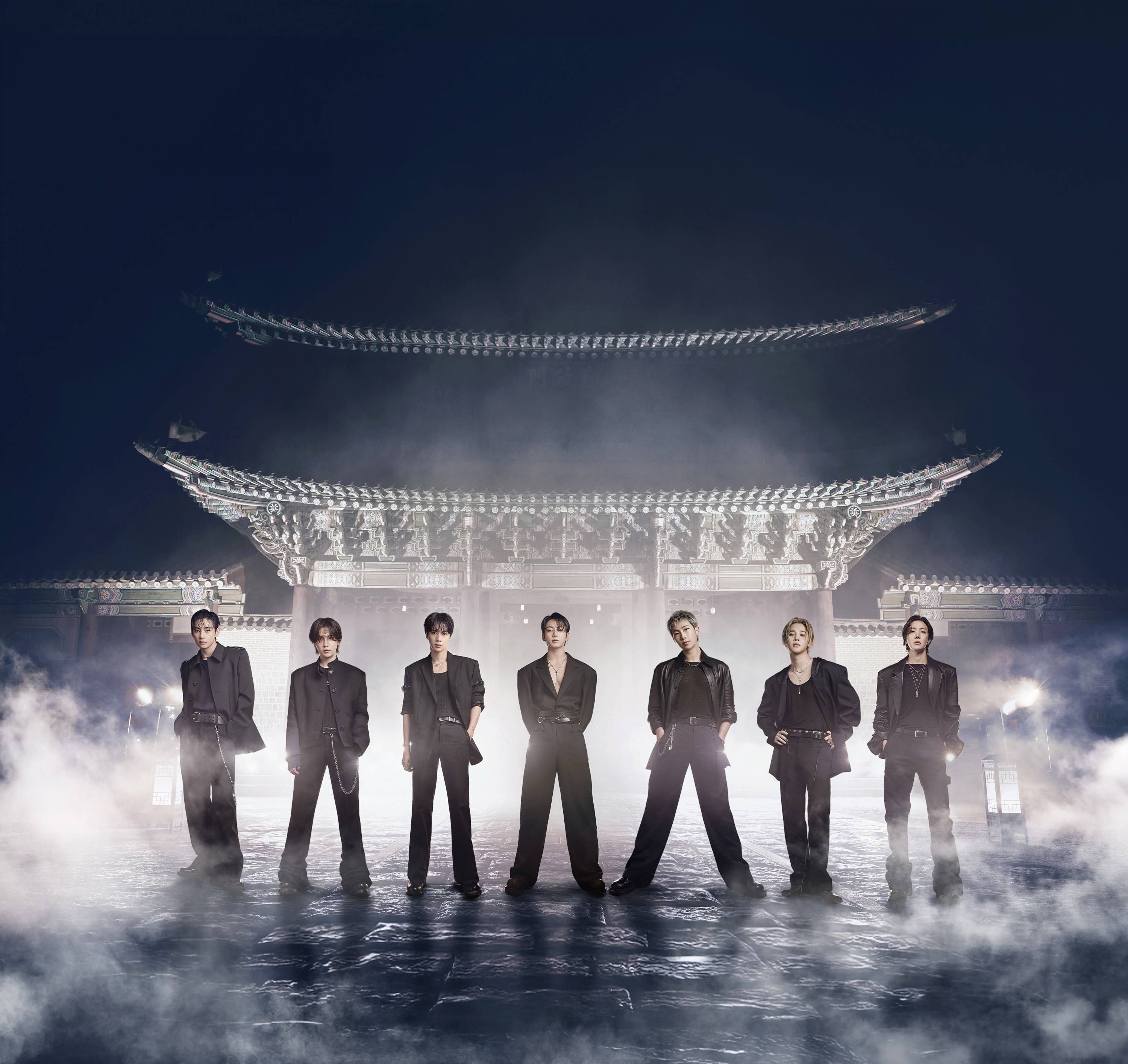
The Unseen Labor Behind the 'Girl Crush' Aesthetic
When we talk about the 'girl crush' charm of Blackpink, it is easy to fixate on the final visual output—the high-fashion editorials, the razor-sharp dance synchronization, and the global brand endorsements. However, behind every iconic look lies a meticulous period of artistic R&D that rivals the production cycles of luxury fashion houses. Unlike the traditional 'innocent' or 'bubblegum' tropes that dominated the earlier eras of K-pop, the transition to the sophisticated, edgy aesthetic we associate with Blackpink today was a calculated risk that required a total overhaul of the creative pipeline. This involved bridging the gap between underground street culture and high-end couture, a process that is far more laborious than the casual fan might realize.
Data-Driven Branding: From Visual Identity to Global Dominance
To understand the magnitude of this shift, one must look at how the management infrastructure functions. Before a single teaser is released, agencies invest months into 'image mapping.' This isn't just about choosing a stage costume; it is about cross-referencing global trend cycles, sentiment analysis of target demographics, and psychological profiling of the fandom. The 'girl crush' label acts as a cultural shorthand, but maintaining that momentum requires the group to serve as a constant bridge between raw, rebellious artistry and the polished expectations of international conglomerates. The following table highlights the evolution of these visual production cycles within the K-pop industry.
| Production Phase | Traditional Model | Blackpink’s Modern R&D Model |
|---|---|---|
| Visual Ideation | Internal stylist-led | Cross-cultural collaboration with global luxury houses |
| Trend Forecasting | Seasonal/Basic | Real-time social sentiment data analysis |
| Market Positioning | Localized appeal | Border-agnostic luxury aesthetic |
The Hidden Cost of Consistency
One of the most overlooked aspects of Blackpink’s sustained relevance is the sheer intellectual labor required to maintain their 'cool' factor. While audiences see a three-minute music video, the production team often engages in hundreds of hours of iterative testing. This includes 'color theory' sessions to ensure the group’s visual identity remains cohesive across diverse platforms, from YouTube music videos to high-fashion runways in Paris. The Blackpink phenomenon is not just about musical talent; it is an exercise in 'prestige maintenance.' By curating a brand that feels perpetually just out of reach, they have forced the rest of the K-pop industry to pivot their own recruitment and training models to compete with this hyper-curated, high-value visual standard.
Beyond the Glitz: The Psychological Impact of the 'Girl Crush' Era
The success of the girl crush archetype has had a profound ripple effect on the psychology of fandom. It shifted the audience relationship from 'parasocial protector' to 'aspirational devotee.' Fans are no longer just cheering for an idol; they are looking to them for blueprints on lifestyle, fashion, and self-assertion. This shift was largely engineered through the deliberate choice of visual motifs—using dark, high-contrast palettes and minimalist structural designs to project an aura of self-contained power. The pressure to uphold this image is immense, requiring the idols to perform a version of 'effortless' perfection that, in reality, is the result of extreme professional discipline and rigorous behind-the-scenes planning.
Preparing for the Next Evolution
As we look toward the future, the question remains: where does the girl crush aesthetic go from here? The market is currently saturated with imitators trying to mimic the aesthetic currency that Blackpink successfully commodified. However, true innovation in this space requires moving beyond the current templates. We expect to see future cycles leaning even heavier into 'digital-first' aesthetics, where the boundaries between the physical idol and their virtual persona become even more blurred. The groundwork laid by Blackpink’s current production model serves as the foundational skeleton for the next decade of K-pop, proving that in the digital age, a brand is only as strong as the unseen strategy powering its public face.
Source Article: Read the original Korean news here
#Blackpink #KpopIndustry #GirlCrush #KpopVisuals #IdolProduction #MusicBusiness #KpopMarketing #BlackpinkJennie #BrandStrategy #KpopTrends