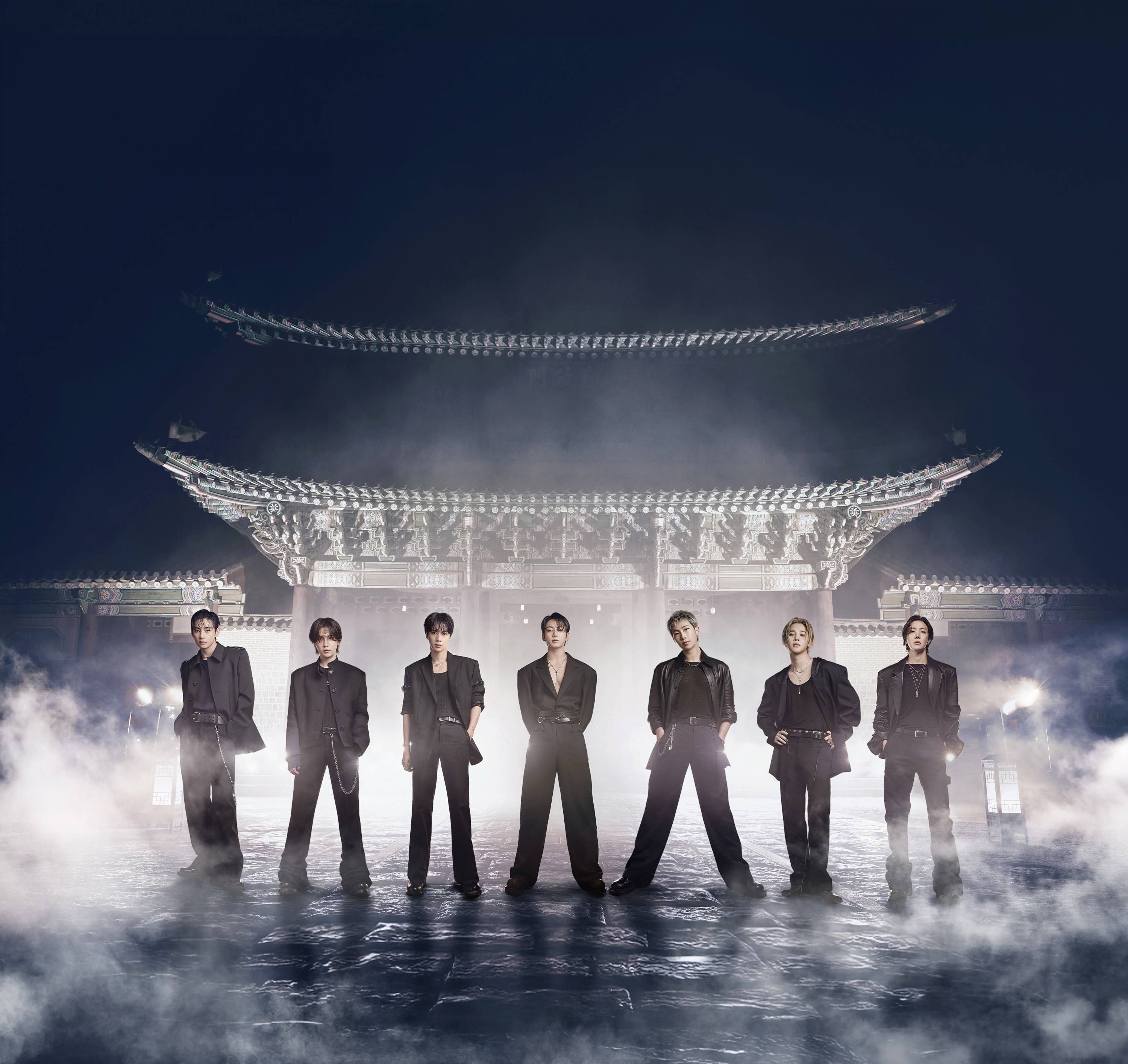
While the world watches the charts, the real revolution is happening in the boardroom—where HYBE is actively dismantling the 'dependency model' that has defined K-pop for decades.
The End of the Singular Superstar Monopoly
For years, the K-pop industry operated on a high-stakes, all-or-nothing gamble: the 'hero artist' model. Labels lived and died by the success of a single flagship group, creating a precarious environment where one hiatus or scandal could threaten an entire company’s valuation. However, the recent academic spotlight from INSEAD—one of the world's most prestigious business schools—on HYBE’s multi-label strategy highlights a tectonic shift. HYBE isn’t just managing idols; they are building a modular infrastructure. By decentralizing creative power and giving each sub-label its own autonomous identity, HYBE has effectively engineered a way to survive and thrive even when its biggest names aren't in the active cycle. This isn't just about diversification; it’s about institutionalizing success so that it becomes a repeatable process rather than a stroke of lightning.
The 'Glocal' Engine: Production Beyond Borders
The secret sauce being dissected by business analysts isn't just the music—it's the glocal strategy, a complex logistical dance that pairs local cultural sensibilities with universal pop production values. We’ve seen the results in groups like LE SSERAFIM and NewJeans, who were designed from day one to operate in global markets without losing the nuanced appeal that makes K-pop fans tick. But the preparation behind this is massive. It involves a sophisticated A&R network that spans Seoul, Los Angeles, and London, ensuring that songwriting and visual identity aren't just 'Korean' but 'globally optimized.' This is a far cry from the localized training systems of the past; HYBE has successfully commoditized the 'K-pop sound' into a platform that can be applied to any market, effectively future-proofing the agency against domestic market saturation.
From Boutique Labels to Industrial Powerhouses
To understand the depth of this shift, one must look at the acquisition and integration strategy behind labels like ADOR, Source Music, and PLEDIS. Instead of forcing a homogenized 'HYBE sound' onto these entities, the parent company maintains a light-touch corporate layer, providing the massive marketing, distribution, and tech-heavy Weverse infrastructure while letting creative directors run wild with their own sub-cultures. This balance is incredibly difficult to maintain. It requires a level of organizational transparency and financial discipline that the traditional 'family-style' K-pop agencies of the early 2000s simply weren't built to handle. By acting more like a technology conglomerate than a talent agency, HYBE has shifted the focus from 'managing artists' to 'cultivating ecosystems.'
The Infrastructure of Longevity
Why does this matter to the average fan? Because this strategy is the very reason your favorite groups are now capable of long-term survival even through mandatory military service or solo ventures. The multi-label system provides a safety net, allowing the company to pivot resources instantly. When one label is in a quiet phase, the machine continues to generate revenue and engagement through another. This creates a sustainable lifecycle for the idols themselves, who are no longer pushed to the brink of burnout to keep a single company afloat. It’s a strategic rotation of activity that prioritizes brand equity over short-term release spikes, ensuring that the 'HYBE standard' remains synonymous with quality in the eyes of the global consumer.
Defining the Post-BTS Era
Critics often ask if HYBE can maintain its momentum without the daily, active presence of BTS as a collective. The recent analyses suggest that the question is actually backward. The infrastructure built around the members’ success—the data-driven marketing, the fan-engagement platforms, and the global supply chain—is precisely what allows the company to scale far beyond them. By focusing on intellectual property ownership rather than just 'managing talent,' HYBE has turned into a factory of experiences. As they continue to bridge the gap between niche fandom culture and mainstream global business, we are witnessing the solidification of K-pop not just as a music genre, but as a robust, resilient asset class that will dominate the entertainment industry for decades to come.
Source Article: Read the original Korean news here
#HYBE #KPOP #BTS #BusinessOfKpop #INSEAD #MultiLabelStrategy #Glocal #KpopIndustry #EntertainmentBusiness #GlobalMusic