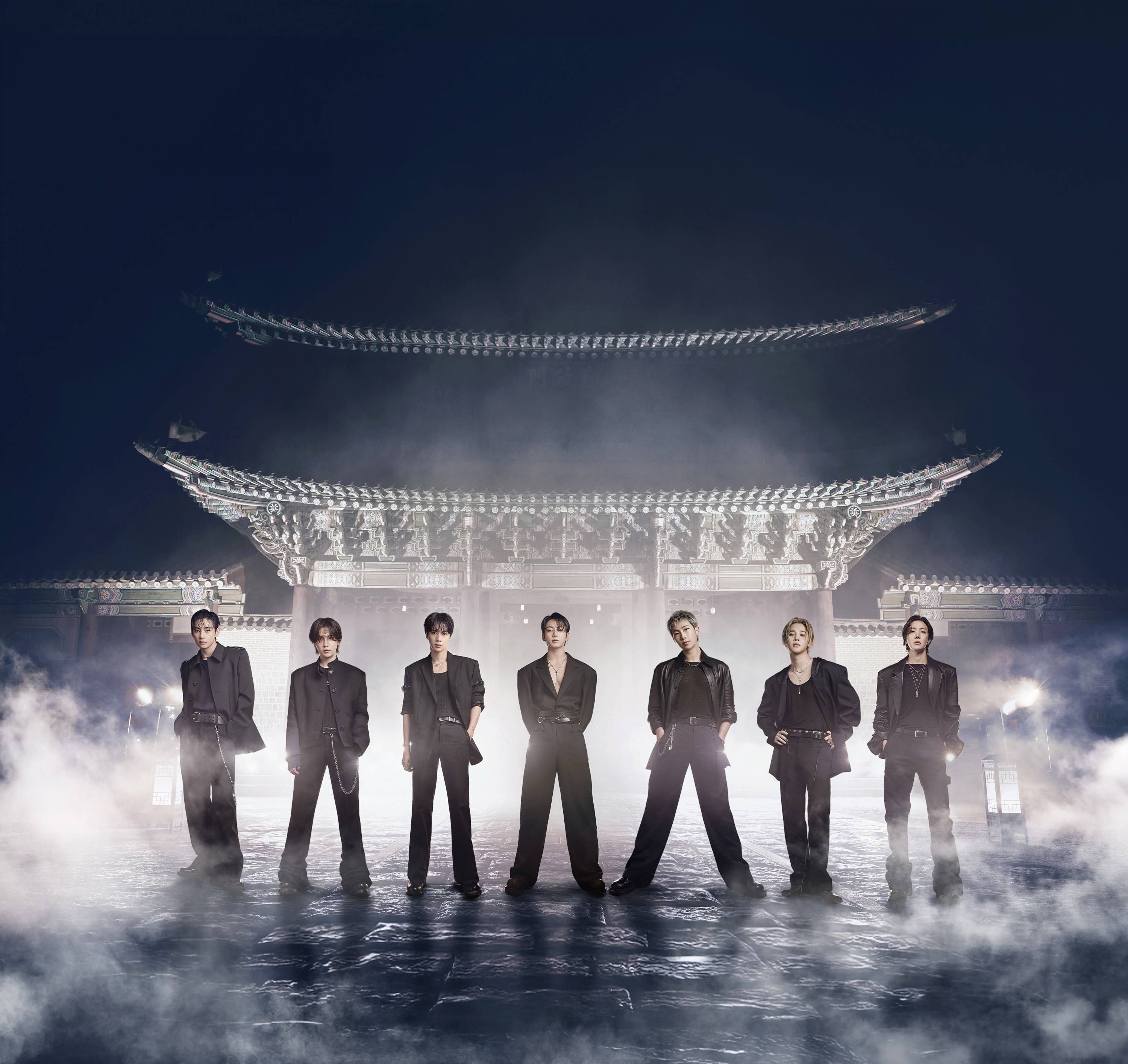
Beyond the Hype: When Intellectuals Turn into ARMY
For decades, the Korean cultural landscape was dictated by a specific demographic of gatekeepers: seasoned editorial writers and political columnists who viewed popular music as ephemeral entertainment. However, a fascinating shift has occurred, exemplified by the recent viral discourse surrounding a 33-year-veteran editorial writer who publicly declared their newfound obsession with BTS. This isn't just a story about an older generation discovering pop music; it is a profound testament to the structural complexity of the group's discography and philosophy. While previous industry stalwarts often treated K-pop with a dismissive 'youth-only' lens, this new wave of high-level appreciation suggests that BTS has successfully transcended the medium, forcing even the most cynical traditionalists to engage with the narrative depth hidden beneath the polished choreography and viral dance challenges.
A History of Cultural Skepticism vs. The BTS Reality
To understand the magnitude of this shift, we must look at how the South Korean intelligentsia treated previous generations of idols. Consider the early 2000s, when legends like Seo Taiji and Boys or even the first generation of K-pop groups were often framed in newsrooms as a 'social problem'—a distraction from academic rigor. Back then, media critique was rooted in skepticism toward the 'manufactured' idol system. Fast forward to the present: the current pivot toward analytical admiration for BTS represents a total ideological reversal. Unlike the scrutiny faced by the industry pioneers of the past, BTS is now being analyzed through the lens of humanities, philosophy, and global sociology, proving that the group has matured the K-pop critique, moving it from the 'gossip' pages to the 'op-ed' section.
Timeline of Intellectual Integration
- Early Era (2013-2015): The 'underdog' phase, largely ignored or dismissed by mainstream legacy media as niche teenage content.
- Growth Era (2016-2018): The period where 'Wings' and 'Love Yourself' triggered the first wave of academic papers regarding BTS's lyrical metaphors.
- Global Dominance (2019-2021): Mainstream press in Korea shifts from questioning the 'manufactured' aspect to analyzing their economic impact on the nation.
- Legacy Integration (2022-Present): Cultural critics and seasoned editorial writers move beyond numbers, analyzing the group’s philosophical contributions to modern youth culture.
Comparative Analysis: The Seo Taiji Precedent
Critics often draw parallels between BTS and Seo Taiji, the man credited with modernizing Korean music in the 90s. Yet, the difference lies in the accessibility of their legacy. While Seo Taiji remained a solitary iconoclast who eventually retreated from the public eye to maintain his mystique, BTS has taken a different approach. By embedding their journey into the collective consciousness through reality content, social media, and open vulnerability, they have allowed even the most traditional older figures to 'join' the fandom from afar. It is no longer just about the music; it is about the documented evolution of character. A 33-year editorial writer falling for BTS is essentially acknowledging that the group’s narrative arc has become a essential component of modern Korean history, a status that previous idol groups never quite managed to capture in the eyes of the cultural establishment.
Why the 'Legacy' Perspective Matters
When a career journalist or writer spends 33 years observing the shifting tides of politics and society, their endorsement acts as a final seal of approval for the legitimacy of the K-pop genre. This signifies that the 'BTS effect' is no longer a temporary bubble; it is a permanent fixture in the cultural discourse. This demographic of fans, who are coming to BTS through an analytical route, validates the group's long-term sustainability. It suggests that while the pop charts are dominated by younger listeners, the group’s intellectual footprint is being cemented by those who curate the national conversation. As BTS moves into their post-enlistment future, this 'crossover' demographic will likely serve as the bedrock for their transition from 'pop icons' to 'cultural statesmen.' The intellectual curiosity of the older generation proves that the group’s influence is not just measured in stream counts, but in the depth of their impact on minds that have seen it all before.
Source Article: Read the original Korean news here
#BTS #KPopCulture #EditorialPerspective #BTSArmy #KoreanMedia #KpopAnalysis #CulturalShift #SeoTaiji #MusicJournalism #BTSLegacy