The Grammys and the K-Pop Conundrum: What Happened?
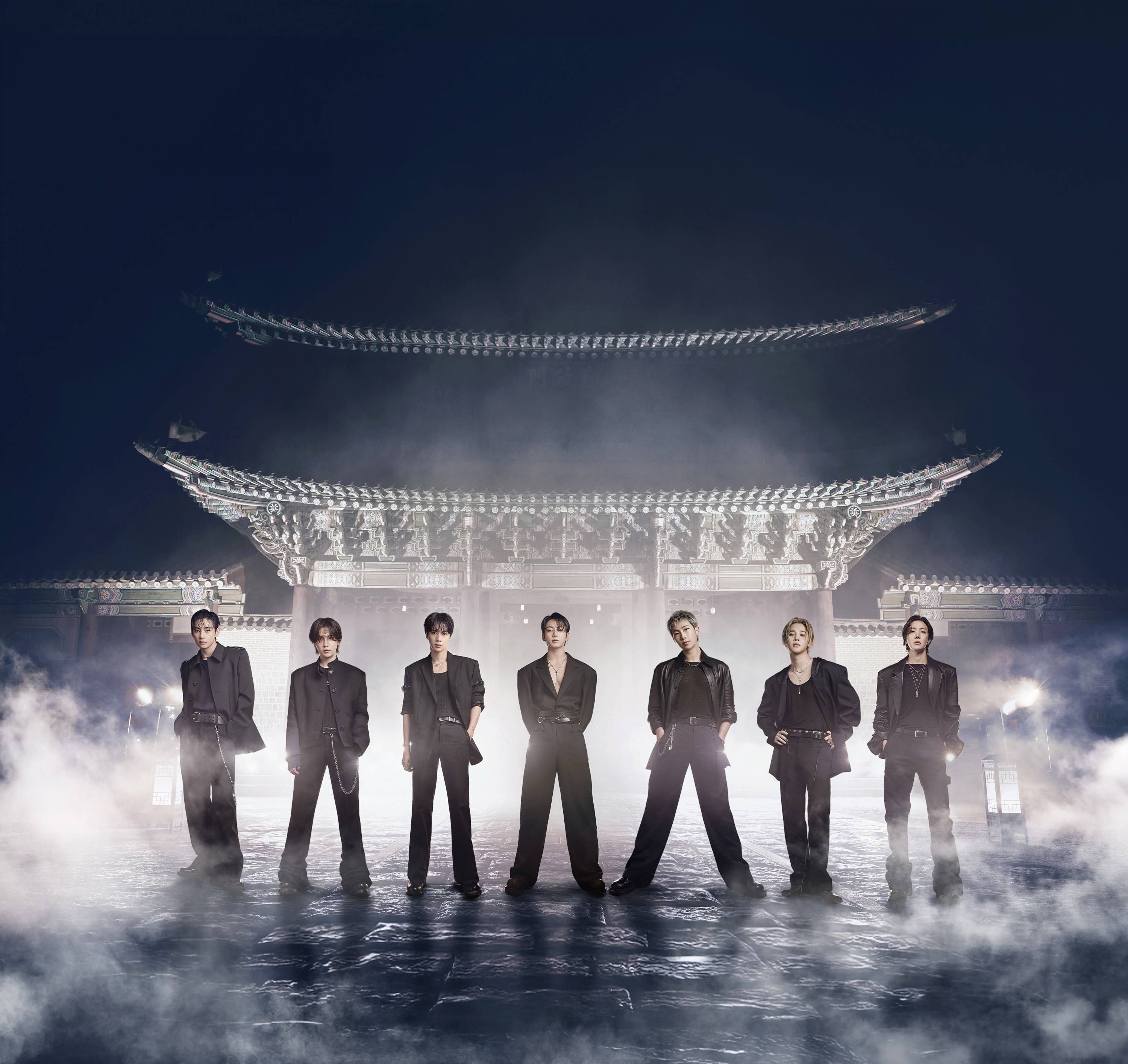
The global music industry is buzzing with intensity as the Recording Academy once again finds itself at the center of a heated debate regarding its treatment of non-Western artists. Recently, news broke that a submission involving BTS—the world’s biggest boy band—was rejected for a specific category consideration. In a direct response to the brewing backlash, the Grammy CEO publicly stated that the organization respects the decision-making process behind these submissions, effectively attempting to douse the flames of controversy. However, for ARMY and K-pop enthusiasts worldwide, this is more than just a procedural technicality; it is viewed as another chapter in a long-standing struggle for proper recognition of K-pop within the hallowed halls of American music awards.
Decoding the 'Asia Pop' Category Controversy
At the heart of the latest dispute is the ongoing conversation about how the Grammys classify international music. Critics and industry insiders have voiced concerns that the Academy’s structural approach to 'Asia Pop' or international categories often borders on systemic racial bias, relegating massive global phenomena to niche silos rather than acknowledging their status as mainstream pop powerhouses. By compartmentalizing these artists, many argue that the Grammys are inadvertently diminishing the cultural and commercial impact that BTS and other K-pop acts have exerted on the global charts over the last decade. The CEO’s attempt to dismiss claims of discrimination as mere misunderstanding has not sat well with fans who see a clear pattern of institutional gatekeeping.
BTS: The Force That Changed the Industry
To understand why this rejection stings, one must look at the unprecedented trajectory of BTS. From historic sold-out stadium tours to multiple Billboard Hot 100 number-one hits and historic Grammy nominations, the septet has shattered every 'glass ceiling' previously set for Asian artists in the West. Their impact goes beyond just streaming numbers; they have fundamentally shifted the global pop landscape, forcing the industry to adapt to a reality where the language of the song is no longer a barrier to mainstream success. When an organization as influential as the Recording Academy fails to honor this evolution, it isn't just a snub to the artist—it’s a disconnect from the modern music consumer.
Fan Reactions and the Call for Transparency
The response from the K-pop community was immediate and fierce. Across platforms like X (formerly Twitter) and TikTok, fans are demanding greater transparency in how the Grammys evaluate submissions from non-American acts. Many are pointing out the hypocrisy of the industry utilizing the massive influence of K-pop to drive viewership and engagement while simultaneously maintaining restrictive criteria that keep these artists at arm's length. This grassroots movement is calling for an end to the 'tokenization' of global music and is pushing for a more inclusive future where talent is judged on artistry rather than regional origins or language proficiency.
Looking Ahead: Will the Grammys Evolve?
As the music industry continues to globalize, the Grammy Awards stand at a crossroads. Will they choose to cling to outdated definitions of what constitutes 'Pop,' or will they finally evolve to reflect the true diversity of today's soundscape? For BTS, they have already reached a level of artistic and commercial success that transcends any single trophy. However, the fight for recognition is vital for the generation of artists that will follow in their footsteps. Whether this latest controversy serves as a catalyst for meaningful structural reform remains to be seen, but one thing is certain: the world is watching, and the days of ignoring the global shift in music culture are officially numbered.
Source Article: Read the original Korean news here
#BTS #Grammys #KPOP #RecordingAcademy #MusicIndustry #ARMY #PopCulture #MusicAwards #GlobalMusic #DiversityInMusic