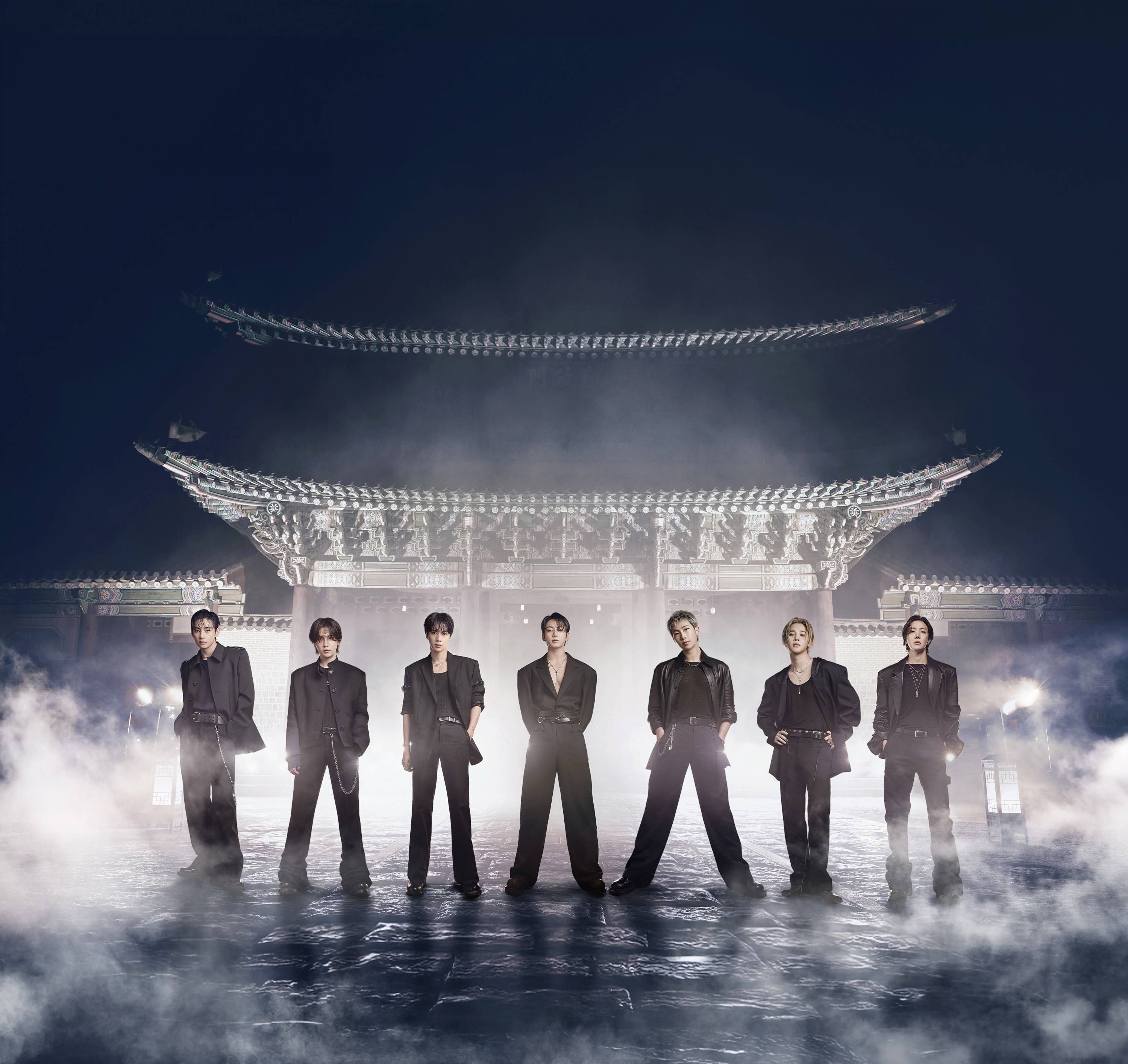
The Power of the Purple Wave: BTS Transforms Busan
When BTS hits the stage, the world doesn't just watch—the world moves. A recent economic analysis has confirmed what ARMY has known all along: the influence of the global superstars extends far beyond music charts and social media metrics. Following the monumental 'Yet To Come' in Busan concert, which was held to support the city’s bid for the 2030 World Expo, local businesses in the surrounding areas saw a tangible financial boost. Reports indicate that small business sales in the region increased by 3.6% in the days surrounding the event, proving that the BTS effect is a powerful engine for local economic revitalization.
Beyond the Music: Quantifying the Impact
It is not often that a single cultural event can shift regional economic data so definitively. The 3.6% uptick in sales for local vendors, restaurants, and shops highlights how a massive K-POP event functions as a major tourism magnet. When hundreds of thousands of fans from across the globe descend upon a city, they bring an insatiable appetite for local culture, food, and hospitality. This surge in foot traffic provided a much-needed lifeline to local small business owners, effectively demonstrating that hosting high-profile idol performances creates a ripple effect that strengthens the foundations of a city's micro-economy.
Fan Culture and the 'ARMY' Economic Engine
The success of the Busan concert is a testament to the unparalleled dedication of ARMY. Unlike traditional concert-goers, fans of K-POP groups like BTS often treat these events as pilgrimages. They don’t just buy a ticket; they engage with the host city, wear local merchandise, and document their experiences, which draws even more international attention to the location. This community-driven economy is a unique phenomenon in the music industry. By transforming the concert site into a purple-themed festival, BTS turned Busan into a global hub for a weekend, ensuring that local businesses were fully integrated into the fan experience.
A Blueprint for Future K-POP Tourism
This economic data is likely to serve as a case study for future urban development and tourism strategies in South Korea. City officials and policymakers are now looking closer at how they can leverage Hallyu (the Korean Wave) to boost regional economies. The success in Busan proves that when the government aligns with the massive reach of idols, the synergy is undeniable. We can expect to see more city-branded K-POP festivals and events in the future, as local municipalities seek to replicate the 3.6% growth observed during the BTS visit to revitalize their own commercial districts.
What’s Next: The Enduring Legacy of the Busan Performance
While the members of BTS are currently navigating their individual military service duties and solo projects, the legacy of their Busan performance continues to resonate. It solidified the group's status not just as musicians, but as diplomatic cultural icons capable of supporting national agendas and local livelihoods alike. As we look ahead, the industry is buzzing with anticipation for the day the group reunites on stage. If a single concert in Busan can drive such significant growth, the global impact of a full BTS comeback tour is an economic prospect that cities around the world are surely monitoring with great interest.
Source Article: Read the original Korean news here
#BTS #KPOP #Busan #YetToCome #ARMY #KoreanEconomy #Hallyu #BTSBusan #KPOPTourism #SmallBusinessGrowth