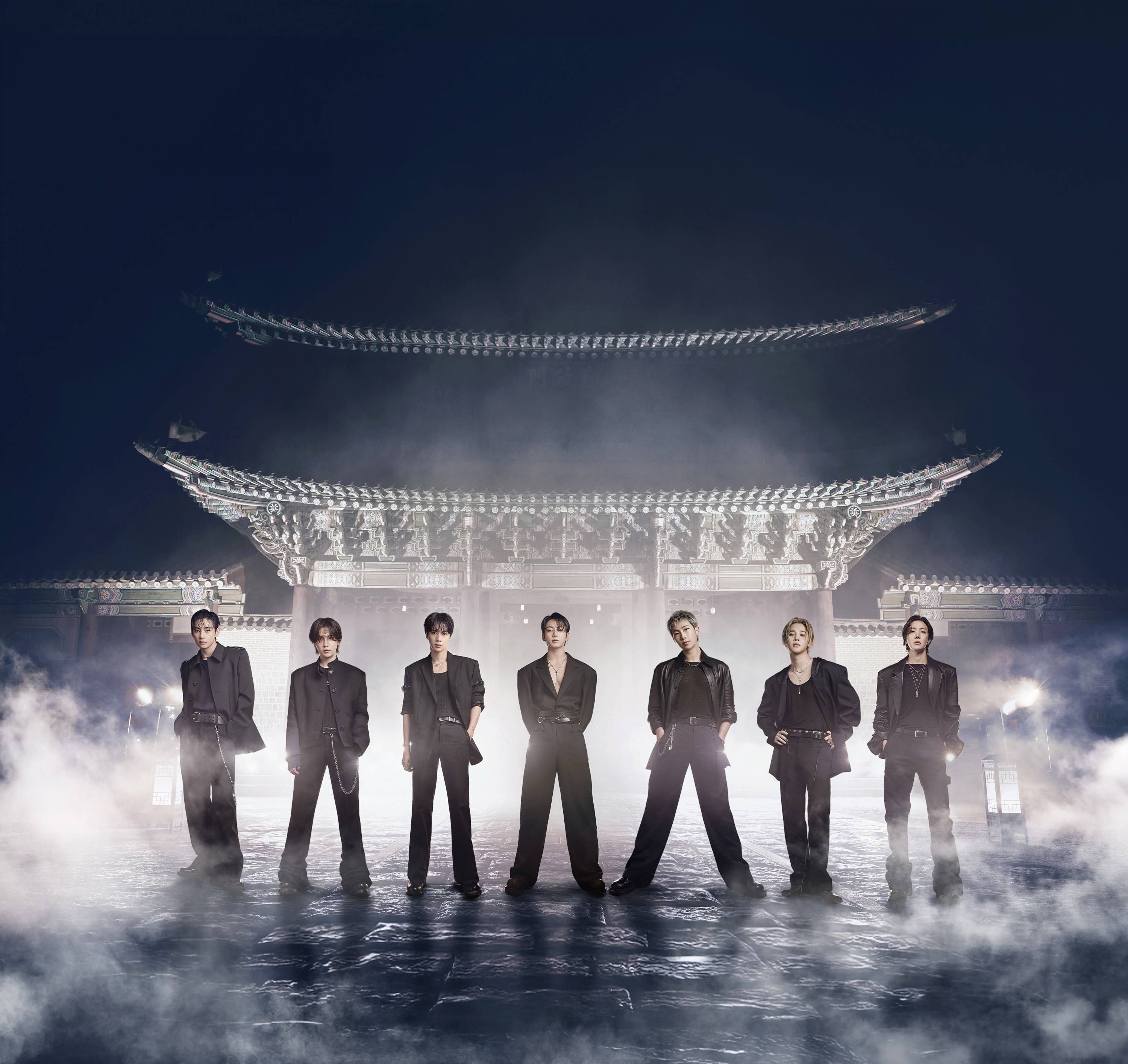
The Virtual Evolution: From Novelty to Industry Standard
The landscape of K-Pop is undergoing a seismic shift, one that blurs the lines between reality and digital fantasy. From the rise of groups like PLAVE, who have captivated fans with their seamless blend of motion-capture performance and authentic chemistry, to the growing curiosity surrounding experimental projects like KDH (often referred to as 'Ke-De-Hun'), the virtual idol movement is no longer just a gimmick. It is a full-fledged cultural phenomenon. However, as these digital personas grow more sophisticated, the industry is facing a new, critical challenge: who truly owns the essence of these characters? As these idols become global stars, the legal battle to protect the human voice—the literal heartbeat of the digital avatar—has officially begun, marking a pivotal moment in the history of entertainment law.
The Anatomy of a Virtual Idol: Why the Voice is Everything
In the world of virtual K-Pop, the vocal identity of an artist is their most precious asset. Unlike traditional idols who rely on visual charisma and stage presence, virtual idols depend on the voice actor or 'vocalist' to breathe soul into their pixels. When a fan tunes into a PLAVE livestream, they aren't just watching a 3D model; they are falling in love with the nuanced delivery, the laughter, and the unique vocal color of a human behind the screen. As these voices become synonymous with high-value intellectual property, companies are scrambling to establish legal frameworks that protect these human contributors from exploitation and unauthorized AI synthesis. The goal is clear: to ensure that the creators behind the magic are compensated fairly and that their unique vocal signatures are protected from being mimicked or stolen by malicious actors or deepfake technology.
Industry Standards and the Quest for Ethical AI
The South Korean music industry, known for its rigorous standards, is currently at the forefront of this legal crusade. Industry leaders and agencies are working in tandem with legal experts to create ironclad contracts that define the ownership of identity in the age of generative AI. This isn't just about copyrighting a melody; it’s about establishing rights over the 'persona' constructed through sound. By formalizing these protections, agencies hope to foster an environment where technology augments human creativity rather than replacing it. This initiative is particularly vital as the K-Pop industry draws inspiration from traditional pop titans, including BTS, who have always prioritized the connection between the artist’s authentic self and their fandom. The new movement seeks to replicate that genuine human connection, even in a digital-first ecosystem.
Fan Reactions: The Search for Authenticity in Digital Spaces
The reaction from the global K-Pop fandom has been overwhelmingly supportive of these protection measures. Fans have long been protective of their idols, and this trend is no different. On social media and global forums, supporters emphasize that the 'human element' is what makes virtual idols like PLAVE irreplaceable. They fear a future where AI could strip away the spontaneity of their favorite idols, turning them into cold, scripted machines. By advocating for the protection of human voices, fans are essentially fighting for the survival of the 'soul' of the idol experience. This movement reflects a broader societal conversation about the role of human input in an increasingly automated world, proving that even in a virtual sphere, human authenticity remains the ultimate currency.
Looking Ahead: The Future of K-Pop Identity
As we look to the future, it is clear that the integration of virtual reality (VR), augmented reality (AR), and AI in K-Pop will only deepen. We are likely to see a new breed of entertainment contracts that explicitly address 'vocal personality rights,' ensuring that the human 'soul' behind the screen is protected for the long haul. This proactive stance by the Korean music industry is setting a global benchmark for digital rights management. Whether or not these virtual stars will eventually grace the same stages as global legends like BTS remains to be seen, but one thing is certain: as long as the legal safeguards are in place, the future of virtual K-Pop looks brighter, more secure, and more human than ever before.
Source Article: Read the original Korean news here
#KPOP #VirtualIdols #PLAVE #KDH #VocalRights #AIinKpop #DigitalEntertainment #BTS #KpopTrends #FutureOfMusic