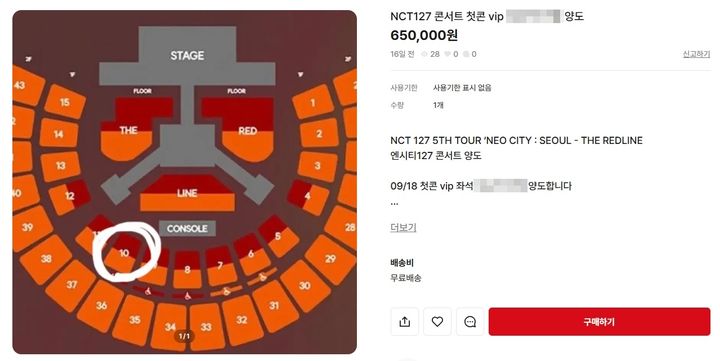
The Inflation of Access: A New Era of Premium Exploitation
The recent reports of NCT concert tickets appearing on secondary markets for upwards of 650,000 KRW (approx. $480 USD) aren't just another headline about greedy scalpers—they represent a fundamental rupture in the fan-idol ecosystem. While ticket scalping has historically been a background noise in the K-pop industry, the sheer audacity of these price points suggests that the 'grey market' is no longer just selling convenience; they are selling exclusivity in an increasingly gated experience. Fans are left questioning whether the standard of ‘fair access’ has been permanently eroded, as the gap between the original price and the resale reality continues to widen beyond the reach of the average student or young professional.
Beyond the Hype: Comparing the Current Crisis to Past Scalping Waves
To understand the severity of this shift, we have to look back at the 2019-2020 era of K-pop, where scalping was largely confined to high-profile solo performances or legendary anniversaries. Back then, a 300% markup was considered an outlier. Today, the systemic nature of bot-driven resale has turned every major comeback tour into a battlefield. Unlike the 'good old days' of forum-based trading where human verification was possible, modern automated scripts have bypassed the security measures that were supposed to protect the genuine fan base. The industry has evolved, but unfortunately, so have the predatory tactics designed to exploit the emotional investment of NCTzens.
Data Snapshot: The Escalating Cost of Fandom
The following table illustrates the stark reality of how ticket pricing and resale markup behaviors have evolved over the last five years, highlighting why the current situation feels particularly unsustainable for the long-term health of the fandom culture.
| Metric | 2019 Era | 2024 Era |
|---|---|---|
| Standard VIP Ticket Cost | ~130,000 KRW | ~180,000+ KRW |
| Average Secondary Market Premium | +50% to 100% | +300% to 500%+ |
| Primary Scalping Tool | Manual/Small Scripts | AI-Driven Mass Automation |
| Systemic Deterrence | Basic Captcha | Dynamic Identity Verification |
The Illusion of Deterrence: Why Stronger Laws Are Still Struggling
South Korean authorities have recently tightened regulations and increased penalties for illegal ticket scalping, but the news regarding NCT tickets proves that legislative crackdowns are currently toothless against the sophistication of modern resellers. The irony is palpable: as the legal framework for consumer protection grows more complex, the black market simply shifts its operations to private encrypted messengers and untraceable overseas platforms. It’s a game of whack-a-mole where the scalpers have evolved into a highly coordinated, tech-savvy industry. This suggests that the solution cannot simply be legal; it requires a radical rethink of ticketing infrastructure, potentially moving toward mandatory non-transferable, identity-linked digital tickets that are standard in some Western sports leagues.
The Cost of Passion: The Emotional ROI for Fans
What makes the NCT 650,000 KRW situation particularly disheartening is the emotional leverage being used. K-pop fandoms are built on the 'parasocial' promise—the feeling of connection to the artists. Scalpers know that for a devoted NCTzen, missing a concert isn't just about missing a show; it’s about missing a life-defining milestone. By pricing tickets at nearly four times their face value, resellers are essentially putting a bounty on a fan’s loyalty. This creates a two-tiered fandom: those with the disposable income to buy their way into the inner circle, and those who are systematically priced out, regardless of how much they have supported the group's growth through streaming, voting, and physical album sales.
The Future: Towards a More Equitable Fan Experience
As we look toward the future of major K-pop tours, the industry is at a crossroads. Agencies must decide whether to continue partnering with standard ticketing platforms that clearly cannot stop the bot influx, or to pivot toward fan-centric verification systems that prioritize long-time members over the highest bidder. Without a fundamental shift, the next few years will likely see a decline in the diversity of the live audience, as fans who can't afford the 'scalper tax' vanish from the front rows. The goal for labels like SM Entertainment should be clear: protect the community that built them, even if it means sacrificing a bit of short-term revenue to dismantle the secondary market once and for all.
Source Article: Read the original Korean news here
#NCT #KPOPNews #TicketScalping #FandomCulture #SMEntertainment #NCTzen #KpopEconomics #ConcertTickets #MusicIndustry #DigitalSafety