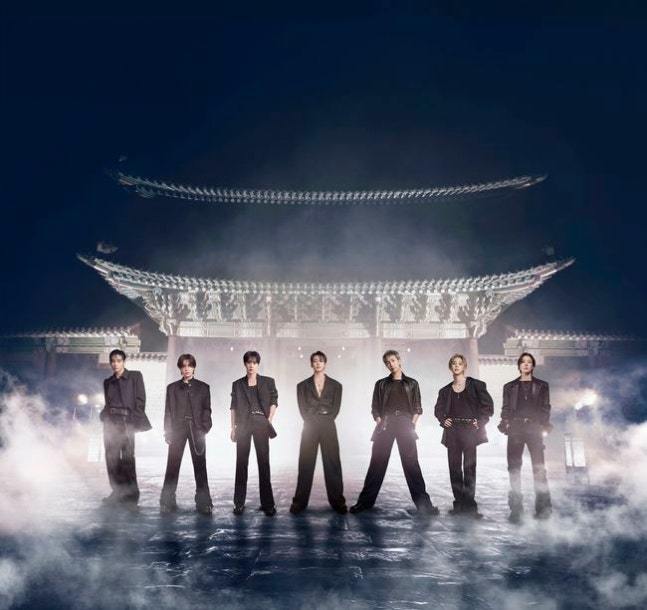
Behind the roaring crowds and stadium light shows lies a staggering financial reality: BTS has rewritten the industry rulebook, turning 38 nights of performance into a historic 600-billion-won masterclass in modern touring power.
The 600-Billion-Won Benchmark: Understanding the Scale
When we look at the raw numbers provided by the latest industry reports, the 600-billion-won revenue figure generated from just 38 shows isn't just an impressive tally; it is a fundamental shift in how we perceive the monetization of K-pop. For years, the industry operated under the assumption that high-volume, frequent domestic promotions were the primary revenue driver. However, BTS has shattered this, proving that strategic scarcity and premium, large-scale global routing provide a significantly higher return on investment. By averaging nearly 15.8 billion won per show, the group has moved beyond the status of a typical touring act and into a tier of fiscal performance typically reserved for legacy Western artists like The Rolling Stones or Taylor Swift. This data point is crucial because it validates the move toward stadium-exclusive tours, signaling to agencies that the future of K-pop profitability lies in high-capacity, international demand rather than aggressive domestic saturation.
Beyond Ticket Sales: The Multiplier Effect of Global Tours
While the 600 billion won represents gross ticket revenue, any seasoned K-pop analyst knows that the real story lies in the ancillary revenue stream. The touring ecosystem for BTS acts as a massive funnel for secondary spending, including high-margin merchandise, digital memberships, and localized pop-up experiences. When analyzing their touring history—from the Love Yourself: Speak Yourself era to the Permission to Dance series—it is clear that the ticket price is merely the entry fee. The fan economy surrounding these 38 shows functioned as a global economic engine. We must consider how these numbers influence the valuation of HYBE, as the predictability of such massive touring revenue provides a stable foundation for the company’s broader market expansion and long-term financial forecasting. This isn't just a record; it’s a blueprint for the sustainable scalability of future idol groups.
The Statistical Gap Between Eras
Comparing these figures to previous industry standards reveals a massive, widening chasm. In the early 2010s, a successful K-pop world tour might have spanned dozens of cities in smaller venues to reach similar revenue tiers. BTS has achieved this with a fraction of the show count, proving that their audience density is unmatched. When we look at chart performance alongside these ticket sales, we see a distinct correlation: the higher the streaming peaks in major markets like the US and UK, the more aggressive the ticket pricing strategy can become. This is the data-driven synergy of the modern era. By leveraging their position as the most streamed act on global platforms, BTS has maximized their yield per concert-goer, moving away from volume-based touring toward a high-value, high-impact model that minimizes travel fatigue while maximizing brand exclusivity.
Quantifying the ‘ARMY Effect’ on Venue Economics
It is impossible to analyze these numbers without considering the role of fandom metrics. The success of these 38 shows is inherently linked to the highly efficient digital infrastructure built by the group. Through platforms like Weverse, the group can predict demand with surgical precision, allowing them to book venues that are perfectly suited to their capacity limits, thereby avoiding the revenue leakage that comes with under-filled venues. This precision touring is the hidden variable behind the 600-billion-won milestone. Every show sold out, every seat optimized, and every logistical choice backed by data analytics. For newer groups entering the global market, this sets an almost insurmountable bar, but it also provides a roadmap for what data-backed tour management looks like in a post-pandemic landscape.
Future Projections: The Cost of Global Legacy
What does this mean for the future of touring? As BTS transitions through their mandatory service and anticipates future reunions, the industry is watching closely to see if this revenue-per-show ratio can be maintained or exceeded. Given the massive uptick in their global brand equity since these records were set, it is highly probable that the next chapter of their touring cycle will see an even higher concentration of wealth. We are looking at a future where K-pop stadium tours command ticket prices that rival the most expensive experiences in the entertainment industry. This shift isn't just about the music; it is a transformation of the group into a global cultural asset that holds tangible, measurable, and record-breaking financial value for the entire South Korean entertainment sector. The numbers aren't lying—they are leading the way for everything that comes next.
Source Article: Read the original Korean news here
#BTS #KPOPData #TouringRevenue #ARMY #KPOPMetrics #HYBE #GlobalMusicIndustry #StadumTour #BTSStatistics #MusicEconomics

