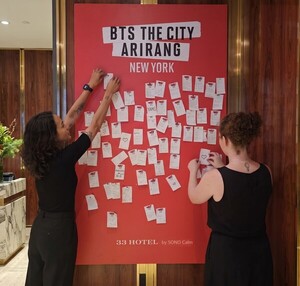
While BTS has long been the gold standard for global cultural influence, their latest footprint in New York represents a sophisticated shift from temporary fan experiences to permanent, high-end infrastructure integration.
The Evolution of Brand Synergy: Beyond Temporary Pop-Ups
For years, the K-pop industry’s relationship with global travel and hospitality was defined by fleeting, excitement-fueled activations. Fans remember the 'BTS Pop-Up: Map of the Soul' experiences, which swept through major cities like New York, Los Angeles, and Seoul. Those events were designed as ephemeral playgrounds—hubs of retail, photo opportunities, and sensory immersion meant to capitalize on the white-hot intensity of a specific comeback cycle. They were brilliant, high-energy, and undeniably effective, but they were essentially 'experience-based tourism' that vanished as quickly as the album charts moved on.
However, the recent collaboration between Sono International and the BTS brand signals a tectonic shift in how K-pop intellectual property is being monetized on the world stage. Unlike the pop-up model, which relied on the novelty of merchandise and exclusive aesthetics, this move into the hospitality sector suggests a pivot toward long-term, utility-driven ecosystem building. By anchoring their presence within the framework of an international hotel brand, the BTS legacy is moving away from being a guest in a city to becoming an integral part of its luxury infrastructure. It’s no longer just about buying a hoodie; it’s about inhabiting a space that carries the aesthetic and operational seal of approval associated with the group’s massive global reach.
A Comparative Look: The 'Hybe x Hospitality' Blueprint
To understand why this is a revolutionary step, we must look at the precedent set by other industry giants. Take, for instance, the way SM Entertainment attempted to integrate Hallyu into the hospitality sector with their SM Town Coex Atrium or early collaborations with hotel chains in Tokyo. Those projects were often focused on fandom-exclusive experiences—themed rooms, character-branded amenities, and constant K-pop background music. While highly successful in the domestic market, they often struggled to attract the casual, non-fan traveler or the high-end international tourist who prioritized traditional luxury over fandom engagement.
The Sono International model, which has recently captivated New York, feels fundamentally different because it emphasizes operational capability and global brand positioning over pure merchandise sales. It isn't just a 'BTS-themed space'; it is an exhibition of professional-grade hospitality management that leverages BTS's status as a global cultural bridge. This mirrors the trajectory of other high-growth sectors where K-pop has transitioned from 'niche cultural import' to 'lifestyle standard.' By professionalizing this partnership, the industry is demonstrating that BTS is not just a musical group anymore, but a robust brand entity capable of elevating real estate, tourism, and premium service delivery on a global scale.
Why Infrastructure Beats Merchandise Every Time
Why does this matter for the future of the K-pop economy? Simply put, merchandise sales are cyclical, but infrastructure is foundational. Fans often talk about the 'BTS Effect'—the phenomenon where anything the members touch or endorse sees a massive spike in market value. In the past, this was a spontaneous boost for small businesses or fashion labels. Now, the industry is capturing that energy and institutionalizing it. This is a deliberate shift toward institutional sustainability.
If we look back at the 2019-2020 era of K-pop, the goal was visibility—getting BTS onto talk shows and selling out stadiums. In 2024, the goal is dominance through integration. By embedding themselves into the hotel industry in competitive markets like New York, they are ensuring that the 'BTS Effect' remains active even when there isn't a new album cycle or a concert tour underway. This move is calculated, mature, and signals to global investors that the K-pop infrastructure has finally outgrown its 'youth-oriented' label to become a serious player in the world of high-end business.
Anticipating the Post-Military Market
As the members of BTS continue their transition back into civilian life and prepare for their eventual full-group reunion, the strategic nature of these business ventures becomes even clearer. This is a masterclass in brand preservation. By maintaining a presence in the heart of the world’s most influential cities through high-end hospitality partnerships, the brand remains ubiquitous without the need for constant, physically taxing promotional activities. It is a smart, low-maintenance way to keep the cultural currency of the group at an all-time high.
Industry observers should view this not as a side-project, but as a core component of the next-gen idol economy. The shift from selling CDs to selling 'a way of life'—complete with luxury hospitality, travel experiences, and professional collaborations—ensures that the legacy of these artists is woven into the very fabric of global urban culture. We are entering an era where the boundary between a pop star and a corporate powerhouse is all but erased, setting a new benchmark for how future idol groups will manage their long-term equity.
Source Article: Read the original Korean news here
#BTS #KPOP #SonoInternational #GlobalHospitality #KpopBusiness #NewYorkKpop #BTSNews #IndustryAnalysis #HallyuWave #KpopEconomics
