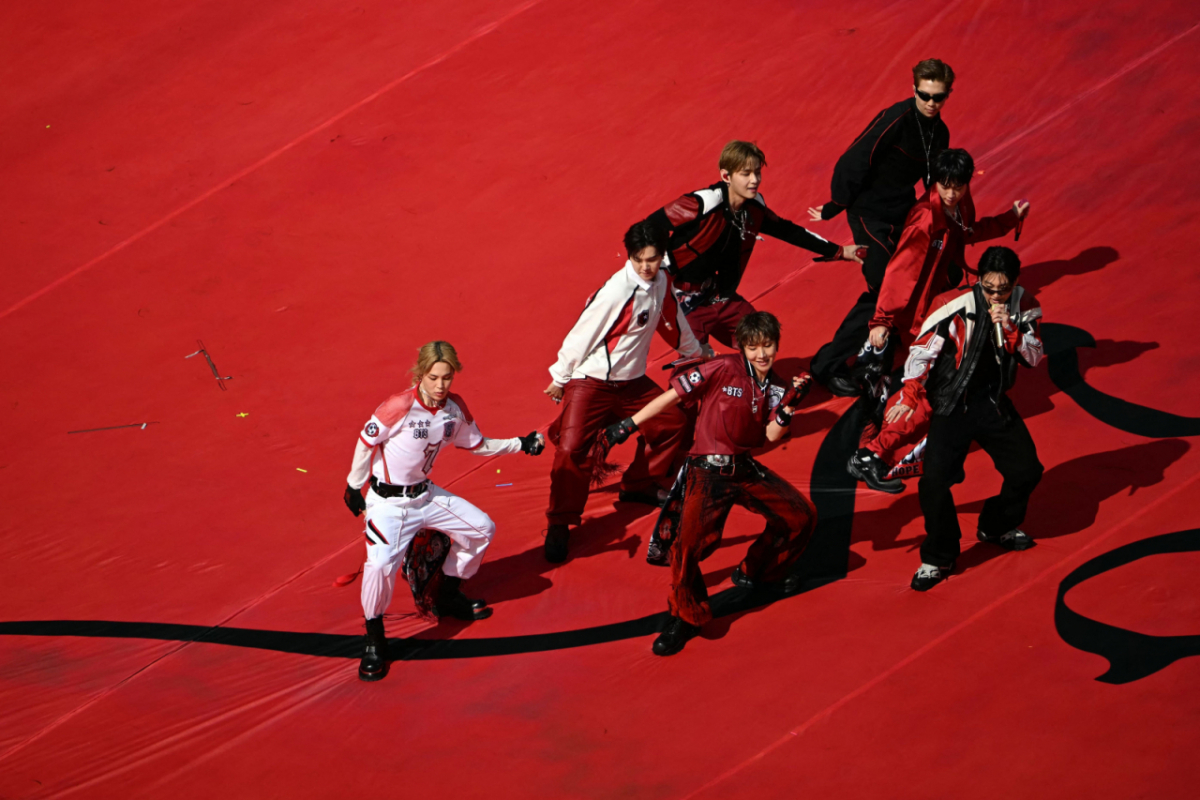
A Global Outcry for Fair Representation
The K-POP landscape is buzzing with intense energy as Professor Seo Kyoung-duk, a prominent advocate for Korean culture, has brought international attention to the growing conversation surrounding the Grammy Awards and their treatment of global artists. Recently, the topic of a potential 'boycott' of the Grammys has moved beyond niche fan forums and onto the radar of major international media outlets. This isn't just about one group; it’s about the systemic frustrations that fans—known as ARMY—have felt for years regarding the lack of recognition for non-Western artists in the prestigious music awards circuit. Professor Seo’s vocal stance serves as a catalyst, urging the Recording Academy to reflect on its exclusionary history and modernize its criteria to reflect the truly global nature of modern music.
The History of Disappointment and Resilience
To understand why this 'boycott' sentiment is so strong, one must look at the history between BTS and the Grammys. Despite record-breaking sales, sold-out stadium tours worldwide, and historic chart positions on the Billboard Hot 100, the group has consistently faced skepticism from the establishment. Fans often point to the 'nomination snubs' and the feeling that K-POP acts are used for ratings and social media engagement rather than being treated as top-tier contenders for the 'Big Four' categories. This disconnect between the commercial reality of K-POP's dominance and the industry’s archaic award structures has fueled a movement that demands, at the very least, transparency and equitable treatment for artists outside the Anglo-American bubble.
Industry Pressure and the Need for Evolution
Professor Seo’s message is clear: the Grammys must act to address these 'discriminatory elements' to maintain their relevance in an era where music is no longer defined by geography. In today's digital world, K-POP has transcended language barriers, connecting millions of listeners across the globe. By keeping the doors closed to these massive cultural shifts, award shows risk becoming obsolete relics of the past. Industry experts are now weighing in, suggesting that the academy needs to diversify its voting body and re-evaluate its nomination processes to ensure that artistic merit—not just Western-centric popularity—is the primary factor for recognition. This isn't just an appeal to the Grammys; it’s a demand for industry-wide accountability.
The Power of the Global Fanbase
What makes this situation so unique is the organized power of ARMY. Unlike traditional fanbases, the BTS community is a highly educated, tech-savvy, and strategically minded collective. When they talk about boycotting, it’s not just a hashtag; it’s a systematic withdrawal of participation in events that they feel do not value their favorite artists. The fact that foreign news outlets are now picking up on this sentiment proves that the message is landing. The global music community is watching closely, and the pressure on the Recording Academy to innovate or risk losing its prestige is at an all-time high. It is no longer possible to ignore the voice of the global listener.
What Lies Ahead for K-POP and Western Awards
Looking toward the future, the relationship between K-POP idols and global award institutions is at a critical juncture. While some might dismiss these critiques, the sheer volume of support behind the call for change indicates that the status quo is no longer sustainable. Whether or not we see an immediate shift in how the Grammys operate, the conversation has officially shifted. The path forward requires a genuine, inclusive dialogue between international music institutions and the creators who are driving global trends. Fans remain hopeful, yet firm in their resolve that until true equity is achieved, the demand for fairness and respect will only grow louder.
Source Article: Read the original Korean news here
#BTS #Grammys #KPOP #ARMY #MusicIndustry #FairRepresentation #GlobalMusic #SeoKyoungduk #MusicAwards #KPOPNews