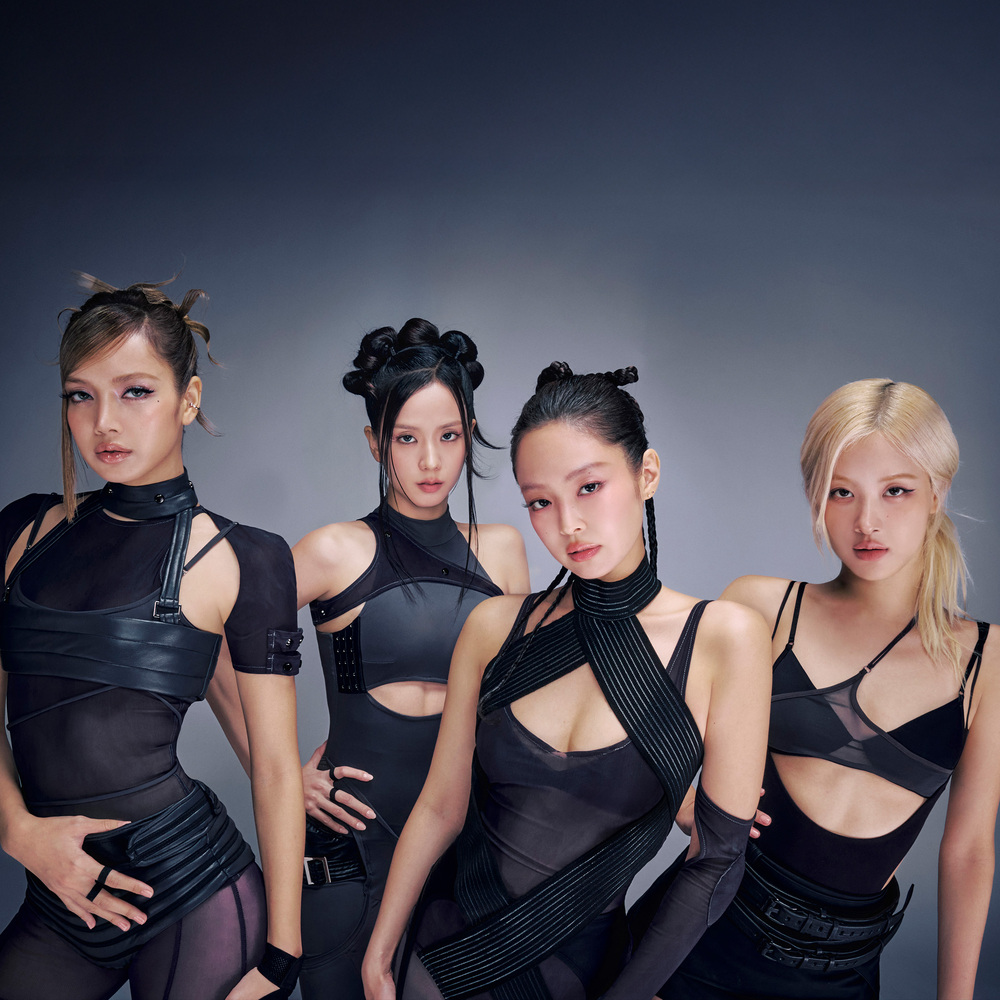
As Blackpink marks a decade of global dominance, their return to the stage isn't just a nostalgic anniversary—it’s a calculated masterclass in post-contract agency management and long-term brand equity.
The Strategic Pivot: Moving from Idol Cycles to Legacy Brands
The K-pop industry is notoriously structured around the 'seven-year curse,' a period where artist contracts expire and groups either disband or undergo radical reinvention. Blackpink’s transition into their 10th year signals a profound strategic evolution. By reuniting for a landmark fan meeting, the group and their management are demonstrating a transition from being 'managed idols' to 'autonomous legacy acts.' This move is essential for maintaining brand sustainability. In an era where global fans expect constant engagement, Blackpink is rewriting the manual on how to balance individual solo ventures—which have successfully diversified their portfolios—with the immense collective value that only a full-group resurgence can command.
The Economics of 'The Full-Group Comeback'
When Blackpink appears as a full unit, the market capitalization of their associated brand assets sees a distinct, measurable spike. Unlike traditional promotional cycles that rely on heavy broadcasting and music show appearances, the 10th-anniversary milestone functions as an 'event-based revenue model.' By curating a fan meeting as the anchor of their anniversary, the agency is leveraging scarcity marketing. This strategy shifts the focus from ephemeral chart performance to deep-tier fan monetization and long-term intellectual property retention. Investors look at these moments not just as a concert date, but as a reinforcement of the group’s high-barrier-to-entry status in the luxury fashion and global pop spheres.
Reframing the 10-Year Narrative as Intellectual Property
Beyond the music, Blackpink’s 10-year trajectory has been about building an ecosystem that transcends the traditional idol-fan hierarchy. Their anniversary strategy focuses on narrative longevity, taking fans through a decade of defining moments that have effectively become cultural artifacts. In the business of K-pop, this 'nostalgia-as-a-service' model is the most effective way to prevent churn among early-era fans while simultaneously signaling to global partners that the group’s cultural influence is not waning. By positioning themselves as a storied entity rather than a transient pop phenomenon, they ensure their relevance remains evergreen, even during extended hiatuses.
Agency Synergy and the Solo-Group Balance
The most fascinating aspect of this 10th-anniversary maneuver is how it reconciles the group’s dispersed management structures with their collective identity. We are witnessing the birth of a hybrid agency model, where members operate under independent labels for solo creativity while funneling collective energy into the 'Blackpink' IP for massive global activations. This structure reduces the operational risk for the agency—if one member is busy with a global fashion week appearance or a solo film project, the group's overall brand isn't stagnant. The fan meeting serves as the necessary bridge, ensuring that the 'Blackpink' monolith remains the primary driver of their individual and collective success.
Predicting the Next Decade: Sustainability Over Speed
If we analyze the trajectory from their 2016 debut to this upcoming 10-year milestone, the focus has shifted from hyper-frequent releases to high-impact output. Blackpink has essentially become the blueprint for 'K-pop Luxury.' Their success proves that global stardom no longer requires the grueling, year-round promotional grind that defined the second and third generations of K-pop. Instead, the strategy involves precision engagement—making every group appearance a worldwide cultural event. This isn't just about music; it’s about institutionalizing the group’s presence in a way that allows them to exist as a cultural institution that can pivot, expand, and return on their own terms, long after standard industry expiration dates.
Source Article: Read the original Korean news here
#BLACKPINK #KpopBusiness #BLINK #10YearAnniversary #KpopStrategy #Blackpink10th #IdolEconomics #MusicIndustryAnalysis #GlobalPop #KpopTrends
