The New Era of Fandom Accountability
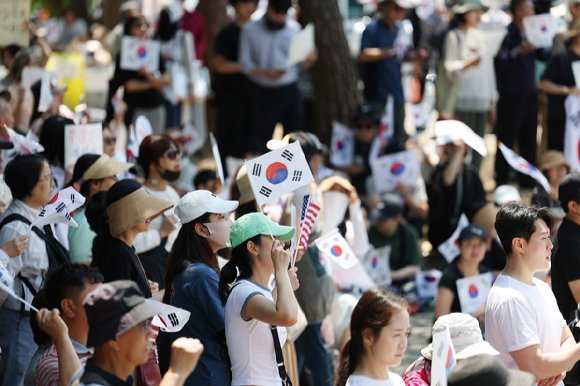
When we look at the recent news surrounding the Olympic Park protests and the subsequent wave of concert cancellations—featuring stars like U-Know Yunho and Jay Park—it’s easy to focus on the 1 billion won in refunds. However, seasoned K-pop fans know this isn’t just about money; it’s about the shifting power dynamics between idol agencies and the concert-going public. For years, fans have been silent consumers, but the current climate at the Olympic Park complex shows that the 'fan-as-a-consumer' model is being replaced by 'fan-as-an-activist.' This isn't the first time public venues have been the site of tension, but the scale and efficacy of this particular movement represent a departure from the disorganized complaints of the past.
Historical Echoes: From Black Oceans to Modern Boycotts
To understand the gravity of these cancellations, we have to look back at the 2009 Dream Concert. Back then, fans of rival groups engaged in the infamous 'Black Ocean,' a silent, aggressive protest that sent a message of exclusion. Fast forward to the present, and the nature of the protest has pivoted from emotional outbursts to procedural disruption. While the 2009 events were about interpersonal fandom wars, today’s activism is centered on corporate responsibility, venue accessibility, and the quality of the concert experience. Where previous generations of fans fought for their idols' recognition, today’s fans are fighting for the industry's integrity, demanding that the logistical failures inherent in large-scale event planning no longer be ignored.
Comparative Analysis: Logistical Crises Then and Now
The current situation mirrors the organizational struggles of the mid-2010s, yet the consequences today are far more immediate. In the past, companies might have weathered the storm by ignoring digital noise, but the current financial volatility—evidenced by the massive refund totals—forces their hand. We are seeing a shift where the "customer voice" is no longer a PR metric but a direct financial burden that agencies can no longer afford to disregard.
| Feature | Mid-2010s Fandom Protest | Current 2024 Protest Model |
|---|---|---|
| Primary Driver | Artist Rivalries | Logistical & Venue Standards |
| Tool of Choice | Digital Petitions | Physical Presence & Organized Boycotts |
| Industry Response | Damage Control/Silence | Immediate Cancellations/Refunds |
The Unintended Consequences of Concert Cancellations
While the protest was successful in highlighting the issues surrounding the Olympic Park events, there is an unavoidable irony here. The collateral damage often hits the most vulnerable: the staff, the stage hands, and the independent contractors who rely on these events for their livelihood. As a global K-pop community, we have to ask ourselves: is the culture of cancellation becoming too blunt a tool? While the accountability for agencies is crucial, the industry is now facing a vacuum where even beloved artists are forced into silence. This creates a challenging environment for artists like U-Know Yunho, who are caught in the crossfire of bureaucratic failures that have nothing to do with their performance capabilities.
What This Means for the Future of 'K-POP Infrastructure'
We are witnessing the end of the 'glorified warehouse' concert era. As idols push for higher global standards, fans are rightfully expecting the physical infrastructure of South Korean venues to match the polished performances on stage. This is a crucial turning point. If agencies continue to ignore the feedback from fans regarding accessibility and safety at places like the Olympic Park, they aren't just losing money—they are losing the long-term trust of the very people who power the global Hallyu wave. The era of blind loyalty is effectively over; the new gold standard is operational transparency.
The Path Forward: Sustaining Passion Without Destroying the Stage
Looking ahead, the goal should be a collaborative model where fan feedback is treated as a consultative asset rather than a nuisance to be silenced. When we look at the trajectory of successful idol groups, those who listen to their core audience regarding concert logistics tend to survive the volatile industry shifts best. Moving forward, the industry must invest in better dialogue channels between agencies and fan organizers. Only then can we ensure that the focus remains on the music and the magic, rather than the bureaucratic mess that currently dominates the headlines. For now, the 1 billion won refund figure serves as a sobering reminder: the fans have the checkbook, and they are not afraid to use it to demand better.
Source Article: Read the original Korean news here
#KPOPNews #OlympicPark #IdolConcerts #FanActivists #MusicIndustry #KPOPInsights #UknowYunho #JayPark #ConcertCulture #KPOPFandom