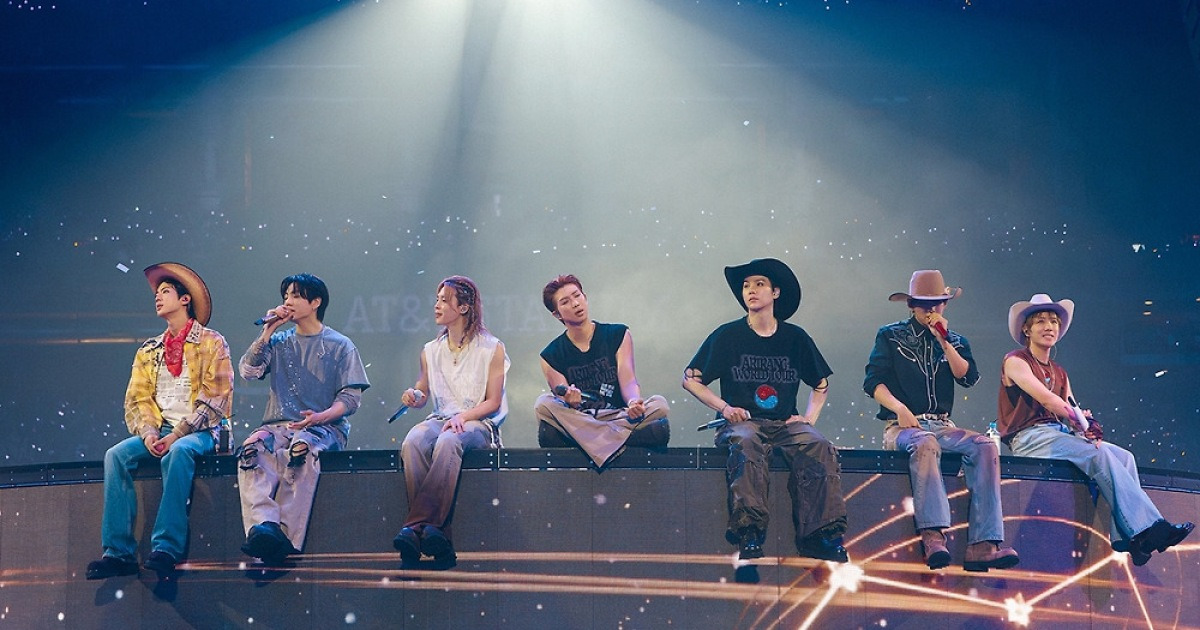
From localized fan-service to institutionalized cultural recognition, the recent declaration of 'BTS Day' in Illinois marks a subtle but seismic shift in how K-pop transcends mere performance to become a permanent fixture of international civic identity.
The Evolution of the Honorary Key: A Comparative Lens
When we look back at the history of K-pop diplomacy, we often recall the initial waves of 'proclamations' that felt more like PR stunts than structural acknowledgments. For instance, in the earlier years of the Hallyu wave, cities across North America occasionally offered honorary recognition to groups during tour stops. These were fleeting—often relegated to a single social media post or a temporary certificate of appreciation. However, the recent announcement of 'BTS Day' in Illinois stands as a stark contrast to those early, surface-level gestures. Unlike the 2017-era regional recognitions that often felt like a 'thank you for visiting,' this Illinois declaration is rooted in a long-term acknowledgment of the cultural and economic influence BTS has consistently injected into the local ecosystem. It isn’t just about the concert date anymore; it is an institutional validation of the group’s role as cultural ambassadors who have moved past the label of 'visiting performers' to 'community pillars.'
Mapping the 'BTS Day' Phenomenon
To understand why this feels different, we have to look at the sophistication of the fandom’s mobilization. In the past, fan-driven city proclamations were sporadic, often organized by grassroots efforts that lacked high-level institutional buy-in. Today, the scale has shifted. When Illinois officials move to officially codify a 'BTS Day,' they are acknowledging the massive logistical impact of the 'BTS effect'—an economic phenomenon where the arrival of a tour brings surges in hospitality, retail, and tourism revenue that rival major domestic sporting events. This shift suggests that BTS has achieved a level of 'civic necessity' that few artists, domestic or international, have ever commanded in the U.S. market. It moves the conversation away from fan-girling and into the realm of urban planning and economic policy, signaling that K-pop is no longer a guest in the building, but a vital economic engine.
The Peer Group Benchmark: Who Else Is Playing This Game?
When comparing this to the industry at large, we see a clear divergence in how other groups handle international recognition. While acts like NCT 127 or ATEEZ have seen successful tours that spark localized excitement and cultural exchange, the 'BTS Day' model is reaching toward the level of a permanent historical marker. We saw similar attempts at institutional recognition with other global stars, but they often struggle to maintain the 'Day' beyond the calendar year of their peak promotion. BTS, however, has managed to pivot from 'momentary trends' to 'evergreen assets.' The Illinois decision is a testament to the fact that BTS is no longer competing with other pop acts; they are competing with long-standing American cultural institutions. By creating a 'Day,' the state is essentially weaving the group into the local history of Illinois, making the connection between the artist and the region feel hereditary rather than transactional.
Why Illinois is the New Blueprint
Critics might dismiss these proclamations as empty paper, but those who study soft power recognize the strategic weight of these moves. By formally recognizing a day for an international act, Illinois is signaling its own inclusivity and its position as a global nexus. This is a mutually beneficial arrangement: the state gains a 'cool factor' and cultural relevance, while the artists gain a permanent foothold in the political landscape of the West. If we compare this to the earlier days of K-pop, where the struggle was simply to be featured on mainstream media, the current landscape is about being etched into the very calendar of the city. This isn't just about an ID card or a plaque; it is about the transition from 'popular musical act' to 'legitimatized cultural entity' that holds sway over local public policy.
Future Expectations: Beyond the Calendar
As we look forward, the question becomes: how do other labels and groups try to mirror this success? The danger for the rest of the industry is in trying to force this kind of 'day' recognition through top-down corporate lobbying, which often backfires and feels insincere. The 'BTS Day' phenomenon in Illinois works precisely because it is an organic outgrowth of the synergy between the ARMY and the city’s economic reality. As we move into the next phase of K-pop’s globalization, expect more localized, state-level institutional recognitions that focus less on the performance itself and more on the cultural legacy the groups leave behind. The 'BTS Day' isn't just a win for the members; it is a signal that the global K-pop infrastructure has matured to the point where its influence can no longer be ignored by the halls of government, setting a high bar for any peer group hoping to cement their own place in global history.
Source Article: Read the original Korean news here
#BTS #KPOP #Illinois #BTSDay #SoftPower #MusicIndustry #GlobalImpact #KpopDiplomacy #ARMY #CulturalExchange