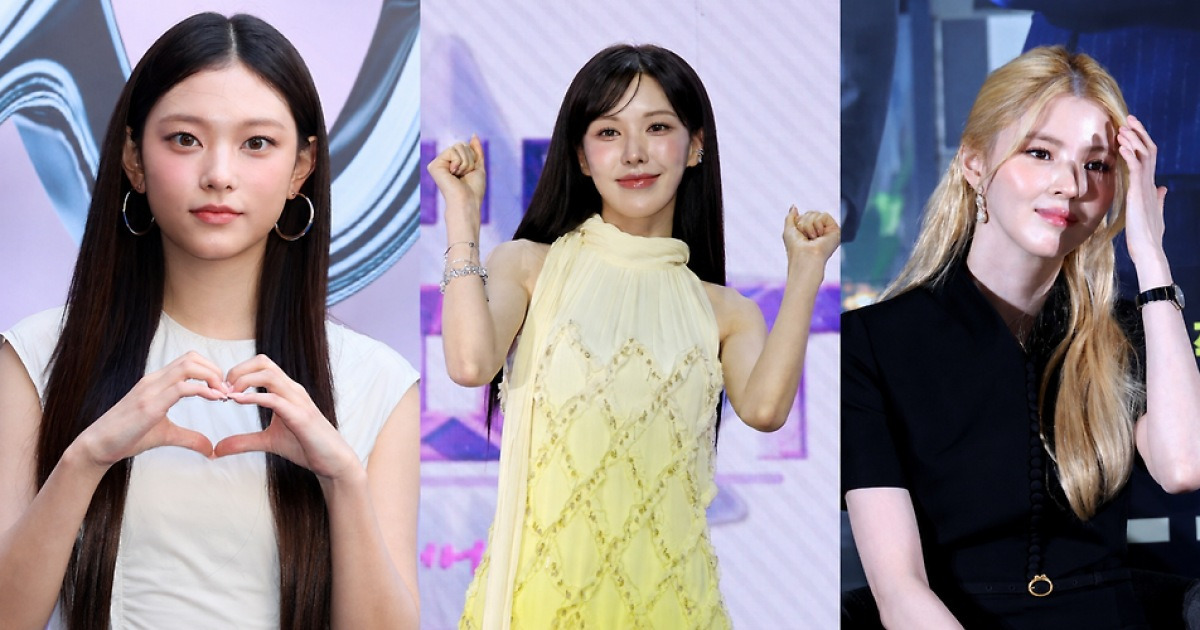
The End of the ‘Human Mannequin’ Standard
For decades, the K-Pop industry has operated under an unspoken, rigid contract: idols provide the performance, and the public reserves the right to pick apart every millimeter of their physical appearance. From teeth structure to the specific shade of a hair dye, the scrutiny has been relentless. However, a seismic shift is underway. The recent outcry against the obsessive ‘look-ism’ that plagues K-Pop stars—often disguised as ‘fan concern’—has reached a boiling point. Fans are no longer just passive consumers of visuals; they are increasingly calling out the toxic cycle that dehumanizes artists, turning them into mere mannequins to be measured and critiqued. This isn’t just about being ‘nice’; it’s about acknowledging the psychological toll that constant aesthetic policing takes on the individuals behind the stage name.
Comparative Lens: From the ‘Perfect Idol’ Era to Today
To understand why this current moment feels different, we have to look back at the industry’s trajectory. A decade ago, idols were expected to stay silent in the face of invasive comments. When female idols were criticized for weight gain or male idols for their fashion choices, the industry standard was a stoic ‘no comment.’ We saw this clearly during the early 2010s, where any public pushback from an artist was seen as a PR disaster. Compare this to today’s environment, where artists like BTS, IU, and various fourth-generation stars are actively reclaiming their autonomy. Unlike the era where a ‘perfect’ aesthetic was the only gateway to success, modern idols are increasingly using their platforms to call out the absurdity of these standards, proving that their value is derived from their artistry and character, not a forensic breakdown of their facial features.
A Timeline of Evolving Public Sentiment
- Pre-2015 Era: Aesthetic perfection was the absolute mandate; any deviation was met with intense media shaming.
- 2015-2019: The rise of social media allowed fans to challenge traditional media narratives, though cosmetic criticism remained rampant.
- 2020-Present: A concerted movement toward mental health awareness has shifted the focus from 'idol appearance' to 'human wellness,' with fans actively reporting malicious commentary.
The Myth of the ‘Public Property’ Idol
The most pervasive issue is the toxic belief that because idols are public figures, their bodies are fair game for public assessment. This 'look-ism' is not just a nuisance; it is a systemic barrier that prevents artists from evolving. When we obsess over an idol’s teeth, their hair color, or their changing body type, we are telling them that their worth is tied to their physical stagnation. By deconstructing this, we are effectively telling the next generation of performers that they don't have to be stagnant objects. True 'superstardom' is no longer about maintaining a frozen look from your debut year; it is about the evolutionary journey an artist takes, showing fans the messy, beautiful reality of growing up in the spotlight.
Why the Narrative is Shifting Now
What makes this specific cultural moment unique is the sheer volume of collectivism in the fan base. In the past, defending an artist against superficial criticism was a solo mission for individual fans. Today, global fandoms are organized, media-literate, and vocal. They understand that by attacking the 'commentary culture,' they are protecting the long-term sustainability of their favorite artists. This isn't just a trend; it is a fundamental restructuring of the relationship between the idol and the audience. As we look toward the future, the goal isn't just to have 'better' comments, but to eliminate the need for such comments altogether, shifting the focus back to where it always belonged: the music, the message, and the humanity.
Source Article: Read the original Korean news here
#KPopCulture #IdolProtection #NoMoreLookism #BTS #MentalHealthMatters #KPopIndustry #FanActivism #HumanizingIdols #MediaLiteracy #KPopTrends